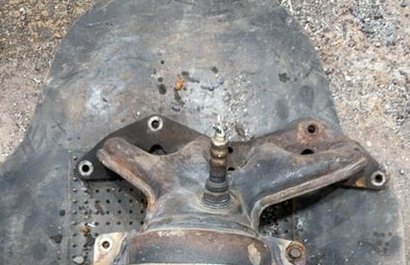
Most people selling a scrap catalytic converter have no idea what that string of numbers and letters stamped on the shell actually means. That's a problem — because buyers do. The serial number on your cat is one of the most important factors determining what it's worth, and if you can't read it, you're walking into a negotiation blind. Whether you're in St. John's scrapping a single unit or running a shop clearing out a pile of cores, understanding how to identify and decode catalytic converter serial numbers puts money back in your pocket.
This guide breaks down how serial numbers work, what they tell buyers, and how to use that information to get the best catalytic converter price in Canada — not just accept whatever the first buyer offers.
---What Is a Catalytic Converter Serial Number?
A catalytic converter serial number is a manufacturer-stamped code that identifies the specific unit, the vehicle it came from, and in many cases, the substrate composition inside. It's not a random string of characters. Every part of that code carries meaning that processors use to look up the exact platinum group metal (PGM) content — platinum, palladium, and rhodium — before they set a price.
Buyers and recyclers cross-reference serial numbers against proprietary databases that catalog the PGM loading for thousands of converter types. Higher PGM content means higher scrap value. A unit from a luxury or performance vehicle may carry significantly more rhodium than a standard economy car converter — and that difference can translate to a very different payout at the scale. When rhodium price today is running high, those differences become even more pronounced.
Where to Find the Serial Number
Location varies by manufacturer, but here's where to look:
- Stamped directly on the shell — Most common. Look on the flat or cylindrical outer casing of the converter body.
- On a welded bracket or flange — Some OEM manufacturers stamp the number on the pipe connection flange.
- On a sticker or tag — Less common on OEM units, but aftermarket converters often use adhesive labels. These degrade over time and may be unreadable.
- Near the oxygen sensor bung — Some units carry a partial code or lot number in this area.
If the shell is heavily corroded or physically damaged, the serial number may be partially obscured. Wire-brush the area gently before trying to read it. Photograph it under good lighting for documentation purposes — this matters if you're using a platform like SMASH that requires photo documentation and serial tracking for every lot.
---How to Decode Catalytic Converter Serial Numbers by Manufacturer
There's no universal format. Each manufacturer uses its own coding system. Knowing which format you're looking at helps you identify the unit faster and gives you a starting point for pricing research.
Common Serial Number Formats
- OEM (Original Equipment Manufacturer) converters — These carry the most precise data. Ford, GM, Honda, Toyota, and others stamp codes that directly correspond to their parts catalogs. Example: a Toyota unit might show a format like 2ZZGE-CAT-03 or a numeric string tied to the engine family.
- Aftermarket converters — Brands like Walker, Magnaflow, or Eastern use their own part number systems. These units often carry less PGM loading than OEM equivalents, which typically means lower scrap value. The code may start with letters designating the brand line.
- CARB-compliant converters — Units sold in California-spec vehicles carry a CARB EO number stamped on the shell. This identifies compliance status but also helps cross-reference substrate specs.
- Diesel converters and DPF units — Diesel particulate filters and diesel oxidation catalysts have separate numbering systems. They're often longer codes and may include engine displacement references.
If you're running a shop in St. John's handling mixed inventory, you'll likely encounter a combination of these. The key is to photograph every unit and note whether the code is fully legible before quoting or selling. Incomplete or unreadable serials will almost always result in a lower offer — buyers price to the conservative estimate when they can't verify composition.
Using VIN Lookup to Cross-Reference Converter Identity
One approach that bypasses partial serial readability is VIN-based lookup. If you know what vehicle the converter came from, you can use the VIN to identify the original factory-spec converter for that make, model, year, and engine. Platforms like SMASH include a VIN lookup feature specifically for this reason — it lets you document what you're selling with precision, which gives buyers more confidence and can support stronger pricing.
---Why Serial Numbers Matter for Scrap Metal Prices Today
This isn't academic. Serial numbers directly tie to scrap metal prices today because they determine the PGM content of the substrate inside the converter. The honeycomb-style ceramic or metallic substrate is coated with platinum, palladium, and rhodium — and the quantity of each varies significantly by converter type. A serial number lets a processor look up the exact loading specs from their database rather than guessing.
Rhodium is the wild card in catalytic converter valuation. It's the rarest of the three primary PGMs, and its price can swing dramatically. When rhodium runs high, converters that carry more rhodium per unit — typically those from newer, larger-engine vehicles — pull significantly higher prices. Units from smaller economy cars or older aftermarket replacements typically carry less rhodium and price out lower. This is why two converters that look identical on the outside can have very different values. The serial number is what separates the guess from the verified price.
For sellers in Newfoundland and Labrador, this knowledge is especially useful. You're not walking into a local buyer's yard blind, accepting whatever number they quote. You can arrive with documented, photographed, serial-identified inventory — and negotiate from an informed position. To check current Canadian catalytic converter prices, you need to know what you have first. Serial identification is step one.
---5 Steps to Properly Document a Catalytic Converter Before Selling
Documentation isn't just for big recyclers. Even if you're selling three units from a small shop in St. John's, the way you present your inventory affects what buyers are willing to pay. Here's a practical workflow:
- Clean the shell surface. Use a wire brush or rag to remove rust, grease, and road grime around the serial number area. A readable serial is worth more than an unreadable one.
- Photograph in good light. Take a clear, close-up photo of the serial number. Shoot from a flat angle to avoid distortion. Take a second photo of the full unit for size and condition reference.
- Record the serial number manually. Write it down. Don't rely solely on photos — characters can be misread, especially stamped fonts with wear. Confirm digit by digit.
- Note the vehicle source if known. Year, make, model, and engine size help cross-reference the serial and add documentation confidence. If you have the VIN, even better.
- Weigh and count your units. Buyers want to know what's in the lot — unit count, estimated weight, and whether you're selling a full load or individual pieces. This is basic packing list information that serious buyers expect.
Following this process before listing or calling buyers means you arrive at the conversation prepared. Platforms like SMASH are built around this kind of structured documentation — serial tracking, photo uploads, and inventory tools that give vetted buyers the data they need to bid with confidence. More confidence from buyers typically means better price discovery for sellers.
---How SMASH Scrap Metal Auction Supports Catalytic Converter Sellers
Selling a catalytic converter the old way — one call, one buyer, one offer — leaves money on the table. You have no way of knowing if that offer reflects actual market demand or just what that one buyer feels like paying today. The SMASH scrap metal auction model changes the dynamic. Your documented inventory goes in front of multiple vetted buyers who compete for it. Competition can help reveal the market. More buyers means better price discovery.
For sellers in St. John's and across Newfoundland and Labrador, a platform like SMASH removes geographic disadvantage. You're not limited to whatever buyers happen to be operating in your immediate area. Your lot reaches buyers across the market, and your serial-documented, photo-verified inventory gives them the confidence to bid competitively. No subscription fees. SMASH wins when the seller wins.
To go deeper on how pricing works and what to expect from the Canadian market, read Canadian catalytic converter pricing guides that break down current conditions, PGM trends, and what different converter types typically yield.
If you're ready to move your inventory, you can also sell your scrap metal on SMASH Recycling and get your cats in front of buyers who know exactly what they're looking at.
---Common Serial Number Mistakes That Cost You Money
Even experienced scrappers make avoidable errors when dealing with catalytic converter serials. Here are the ones that show up most often — and what to do instead:
- Misreading stamped characters. Stamped fonts wear down. The number 0 gets misread as the letter O. The number 8 becomes a B. Always confirm against multiple reference points if possible.
- Assuming aftermarket equals OEM value. Aftermarket converters are not equivalent to OEM units in PGM loading. If you've got a mix, separate them. Don't let an aftermarket unit drag down the valuation of a legitimate OEM core.
- Selling without documentation. Walking into a sale without photos, serial records, or a basic inventory list signals to buyers that you don't know what you have. That gets priced in — against you.
- Accepting the first verbal quote as final. A quote over the phone with no documentation is a starting position, not a final offer. Get your inventory documented and get it in front of multiple buyers.
- Ignoring market timing. Rhodium and palladium prices move. A load sold on a down week yields less than the same load sold when PGM prices are stronger. Watching scrap metal prices today gives you a sense of when to hold and when to sell.
Understanding how to read and identify catalytic converter serial numbers is the difference between a guess and an informed sale. For individual sellers, auto shops, and collectors across Canada — including those working in St. John's and throughout Newfoundland and Labrador — this knowledge is practical and directly tied to your payout. Document your inventory, know what you have, and get it in front of buyers who compete for it. If you're ready to move your cats at a fair market price, get the best catalytic converter price in Canada by starting with a free quote at best-catalytic-converter-price.ca.
Disclaimer: Catalytic converter prices fluctuate based on PGM markets, unit type, and buyer demand. Always check current rates before selling.
---Frequently Asked Questions
Q: How do I find the serial number on my catalytic converter in St. John's?
Look on the outer shell of the converter body — it's usually stamped directly into the metal casing. Clean the surface with a wire brush first if there's rust or road grime. Take a photo under good light and record the number manually to avoid misreading worn stamped characters.
Q: Does the serial number affect the catalytic converter price in Canada?
Yes, significantly. Buyers use serial numbers to look up the exact platinum, palladium, and rhodium content in the converter's substrate. Units with higher PGM loading command higher prices. An unreadable or missing serial typically results in a conservative — meaning lower — offer.
Q: What's the difference between OEM and aftermarket catalytic converter value?
OEM (original equipment manufacturer) converters generally carry higher PGM loading than aftermarket replacements, which means higher scrap value. Aftermarket units are manufactured to meet emissions standards rather than replicate the original PGM formulation, so they typically yield less at scrap. Keep them separated in your inventory when selling.
Q: How does rhodium price today affect what I get paid for a catalytic converter?
Rhodium is one of three key PGMs inside catalytic converters, and it's the most price-volatile of the group. When rhodium prices run high, converters with higher rhodium content — typically from newer or larger-engine vehicles — are worth more. Monitoring current PGM markets before selling helps you time your sale more effectively.
Q: Is there a better way to sell catalytic converters than calling one buyer in St. John's?
Yes. Single-buyer sales give you one data point and no leverage. Platforms like SMASH put your documented inventory in front of multiple vetted buyers who compete for your lot. Competition can help reveal the true market value rather than just one buyer's preferred price. No subscription fees — SMASH takes a cut only when the seller wins.
---Stay current on scrap metal market trends and catalytic converter pricing — follow SMASH on LinkedIn for industry updates and PGM market insights.