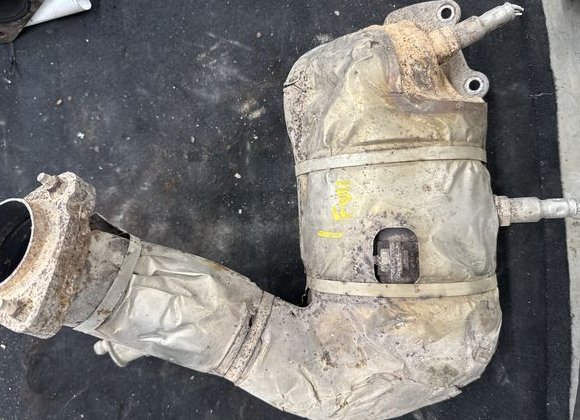
Most people tossing a catalytic converter into a scrap pile don't think twice about what happens next. But what's inside that converter — platinum, palladium, and rhodium — is some of the rarest material on earth. How it gets recovered, and where it ends up, matters more than most yard operators realize. And if you're in Kitchener or anywhere across Ontario, you're sitting on material that deserves better than a low-ball phone quote.
The OEM catalytic converter value isn't just a price-per-unit number. It reflects the concentration of platinum group metals (PGMs) inside, the condition of the substrate, and — increasingly — the traceability of the unit itself. Proper recycling isn't just good for the planet. It's what separates a fair payout from a guess.
What's Inside a Catalytic Converter — and Why It's Worth Recovering Properly
A catalytic converter contains a ceramic or metallic substrate coated with PGMs: platinum, palladium, and rhodium. These metals act as catalysts that convert harmful exhaust gases — carbon monoxide, hydrocarbons, nitrogen oxides — into less harmful compounds. After years of use, the substrate degrades, but the metals remain. They don't disappear. They need to be extracted.
The problem with improper recycling is waste. When converters are processed without proper assaying or through low-grade channels, PGM recovery rates drop significantly. That means less metal back into the supply chain, more mining pressure on already strained reserves, and less money in your pocket. OEM converters — those installed at the factory, not aftermarket replacements — typically carry higher PGM loadings. A genuine OEM cat from a full-size truck or luxury vehicle can carry measurably more platinum and rhodium than a generic replacement unit. That difference is real money if you sell through the right channel.
- Platinum: Used widely in diesel converter substrates
- Palladium: Dominant in gasoline engine converters
- Rhodium: Present in smaller quantities but historically the most valuable of the three
- Recovery quality: Depends entirely on how the converter is processed and through whom
The Environmental Case for Doing This Right
Mining platinum group metals is resource-intensive. South Africa and Russia supply the majority of the world's PGMs, and the extraction process involves deep-level mining, significant water use, and serious environmental impact. Every gram of PGM recovered from a recycled catalytic converter is a gram that doesn't need to come out of the ground. That's not a marketing claim — it's basic material economics.
When converters are improperly scrapped — crushed whole, sold to unverified buyers, or stripped without proper documentation — those metals often end up in lower-grade processing streams. Recovery rates suffer. Supply chain traceability disappears. And in Canada, where regulators are paying closer attention to scrap metal handling practices, that traceability gap is becoming a compliance issue as much as an environmental one. Ontario has seen increasing scrutiny on scrap documentation requirements, particularly for high-value materials like PGM-bearing catalytic converters.
Proper recycling means:
- Accurate identification of the converter type before processing
- Documented chain of custody from the yard to the processor
- Assay-based pricing that reflects actual metal content, not guesswork
- Verified buyers who operate within regulated processing standards
When the process is clean, you get a better environmental outcome and a better price. Those two things aren't in conflict.
OEM Catalytic Converter Value: Why the Source Unit Matters
Not all cats are created equal. If you're selling scrap catalytic converters and you're not distinguishing OEM units from aftermarket replacements, you're leaving money behind. OEM catalytic converter value is higher because factory-installed converters are engineered to meet original emissions standards, which requires higher PGM loadings. Aftermarket converters often use less precious metal to hit a lower retail price point.
The VIN on the vehicle the converter came from matters. The make, model, and engine displacement all affect the expected PGM loading. A converter from a V8 pickup is a different unit than one from a compact sedan — even if they look similar on the outside. Buyers who know this will price them accordingly. Buyers who don't — or who don't care — will offer you a flat rate that averages everything down.
This is where documentation and inventory management make a direct difference to your bottom line. Platforms like SMASH use VIN lookup and serial tracking to help verify what a converter is before it goes to market. That data gives buyers confidence, and confident buyers bid higher. For anyone managing scrap metal inventory across multiple vehicles or large loads, this kind of documentation isn't optional — it's how you protect the value of your material.
If you want to get the best catalytic converter price in Canada, knowing what you have is the first step. Guessing costs you.
Kitchener's Scrap Metal Scene and What It Means for Cat Converter Sellers
Kitchener sits in the heart of Waterloo Region, a manufacturing and automotive corridor with a steady supply of scrap vehicles, end-of-life fleet equipment, and industrial material. That means there's no shortage of catalytic converters changing hands here. It also means there's a wide range in the quality of buyers operating in and around the area.
Some buyers will offer you a quick number over the phone. Others will quote you based on a photo. Neither approach tells the full story of what your converter is worth. Catalytic converter prices today fluctuate with PGM spot prices on global commodity markets — rhodium alone has seen dramatic price swings over the past several years. A price quoted on Monday might not reflect market conditions by Thursday.
If you're searching for catalytic converter buyers near me, proximity matters for logistics. But price discovery matters more. A buyer eight kilometres away offering a flat rate is not automatically better than a competitive bidding process that pulls interest from verified buyers across Ontario and beyond. For Kitchener scrap metal services, the goal is always the same: get your material properly identified, properly documented, and in front of buyers who will compete for it.
Want to understand how the broader market works? Read Canadian catalytic converter pricing guides to get a clearer picture before you sell.
How SMASH Supports Proper Cat Converter Recycling
Transparency and traceability are the two things that separate a fair sale from a guessing game. SMASH is built around both. The platform connects sellers — yards, auto shops, collectors — with vetted buyers through a competitive auction format. No subscription fees. No single-buyer lock-in. Just your material in front of buyers who have to compete to win it.
For catalytic converters specifically, SMASH scrap metal auction format changes the dynamic entirely. Instead of calling one buyer and accepting their number, your load goes to market. Photo documentation, VIN lookup, and serial tracking give buyers the information they need to bid with confidence. That confidence is what drives the price up — not sales tactics, but actual data.
Environmental accountability is baked into how SMASH operates. Vetted buyers means processors who meet standards. Auto-invoicing and documented inventory mean there's a paper trail from your yard to the end processor. That's good for compliance, good for the environment, and increasingly expected by regulators across Canada.
If you're ready to find the best price for your scrap in Canada, SMASH gives you the infrastructure to do it properly — not just a phone number and a hope.
Scrap Metal Inventory Management: The Step Most Sellers Skip
Here's where most individual sellers and smaller shops leave money behind: they don't manage their catalytic converter inventory before selling. They pull units off vehicles, stack them in a corner, and call a buyer when the pile gets big enough. That's a costly habit.
Good scrap metal inventory management means logging each unit as it comes in — make, model, year, VIN where available, condition of the substrate, any visible damage. It sounds like extra work. It pays off every time you go to market, because buyers price what they know. An unlabelled pile of mixed converters will get a blended, conservative offer. A documented inventory of identified OEM units from specific vehicle lines gets a different conversation entirely.
For auto shops in Kitchener and across Ontario pulling converters regularly, this process becomes routine fast. Build it into your workflow from day one. Use photos. Note any cracked or bead-blasted substrates — those will affect value and buyers will spot them anyway. Transparency on your end protects you and speeds up the transaction.
To check current Canadian catalytic converter prices and understand what your documented inventory might be worth, start with good information before you start talking to buyers.
Disclaimer: Catalytic converter prices fluctuate with PGM spot markets. Always verify current rates before selling. The information in this article reflects general market conditions as of October 2026.
Frequently Asked Questions
Q: What makes an OEM catalytic converter worth more than an aftermarket unit?
OEM (original equipment manufacturer) catalytic converters are built to meet factory emissions specifications, which typically requires higher platinum, palladium, and rhodium loadings. Aftermarket units are priced to compete at retail and often use lower PGM concentrations. When you scrap an OEM unit, buyers with proper assay processes will price that difference — if you can document what you have.
Q: How do catalytic converter prices today get calculated?
Prices are based on the type and concentration of platinum group metals inside the converter, cross-referenced with current PGM spot prices on commodity markets. The converter's make, model, substrate condition, and whether it's OEM or aftermarket all affect the final figure. Prices move with the markets — sometimes significantly within the same week.
Q: Where can I find catalytic converter buyers near me in Kitchener?
Local scrap yards and metal dealers operate throughout Kitchener and Waterloo Region. But proximity alone shouldn't drive your decision — price discovery matters more. Platforms like SMASH connect sellers with vetted buyers across Ontario and beyond, using a competitive auction format that gives your material a fair shot at market price rather than a single buyer's best offer.
Q: Why does proper recycling of catalytic converters matter environmentally?
Platinum group metals are finite, difficult to mine, and come from environmentally sensitive operations. Recovering them efficiently from recycled converters reduces the need for new mining. Proper recycling also ensures metals re-enter high-quality processing streams rather than being lost to low-grade channels — better for the supply chain, better for the planet, and usually better for your payout.
Q: Does SMASH handle catalytic converter sales specifically?
Yes. SMASH supports catalytic converter sales through its auction platform, including photo documentation, VIN lookup, and serial tracking to help identify and verify converter types before they go to market. Sellers connect with vetted buyers in a competitive format with no subscription fees. Email jeff@smashscrap.com directly if you're ready to sell.
---If you're sitting on a pile of cats and you're not sure what they're worth, don't guess — and don't settle for the first number someone gives you over the phone. Whether you're an auto shop in Kitchener, a collector working across Ontario, or a yard managing regular converter inventory, you deserve a fair market price backed by real data. Get a free quote and get the best catalytic converter price in Canada — because your material is worth knowing what it's actually worth.
Follow SMASH on LinkedIn for scrap metal market updates, PGM price insights, and industry news that actually affects your bottom line.