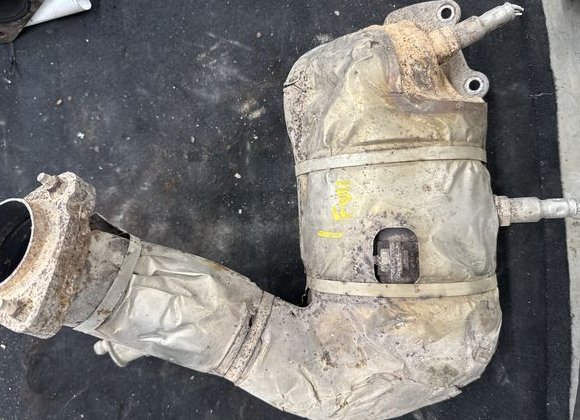
Rhodium hit record highs above $29,000 USD per troy ounce in 2021. Today in 2026, it trades at a fraction of that — and every swing in that price directly changes what a scrap yard in Sudbury will pay you for your catalytic converter. If you've been selling cats without paying attention to precious metal markets, you've almost certainly left money on the table.
Understanding why scrap catalytic converter prices Sudbury fluctuate — and what drives those swings — puts you in a much stronger position when it's time to sell. This isn't abstract finance. It's the direct connection between a palladium mine in South Africa and the quote you get at your local yard on a Tuesday morning.
The Precious Metals Inside Your Catalytic Converter
Every catalytic converter contains a ceramic or metallic substrate coated with a precise mixture of platinum group metals (PGMs): platinum, palladium, and rhodium. These three metals do the actual work of converting harmful exhaust gases into less toxic emissions. They're also among the most valuable materials on earth, which is exactly why scrap converters are worth recycling in the first place.
The quantities are small — we're talking fractions of a gram to a few grams per unit depending on the vehicle — but the concentration of value is significant. A single late-model domestic truck converter can contain over 6 grams of combined PGMs. At current market prices, that adds up fast, even after the processor's margin.
- Platinum: Used heavily in diesel converters. Prices respond to diesel vehicle demand, South African mining output, and industrial demand.
- Palladium: Dominant in gasoline-powered vehicles. Was the most valuable of the three for several years. Supply is tightly concentrated in Russia and South Africa.
- Rhodium: Used in the smallest quantities but historically commands the highest price. Extremely thin supply chain. Price is notoriously volatile.
When any one of these metals moves significantly, it changes the math on every converter sitting in your yard. That's not a minor detail — it's the entire pricing mechanism.
How Global Markets Set Your Local Cat Converter Prices in Sudbury
Here's the supply chain most sellers never think about. A refinery assays your converters and extracts the PGMs. That metal gets sold into a global commodities market. The prices in that market are set by mining output, geopolitical events, autocatalyst demand from automakers, and industrial buyers — none of whom care what the weather is like in Sudbury, Ontario.
When a major palladium mine in Norilsk cuts production due to flooding, or when an automotive manufacturer in Germany ramps up production of gasoline-powered vehicles, palladium demand tightens. The spot price climbs. That signal moves downstream: refiners pay more to processors, processors pay more to buyers, and buyers — including the ones who participate in platforms like SMASH's catalytic converter auctions — adjust their bids upward.
The reverse is also true. In 2026, the accelerating adoption of battery electric vehicles in major markets has reduced the per-unit PGM loading requirements for new vehicles, putting long-term pressure on palladium demand. That's a headwind the market is actively working through. Short-term spikes and drops still happen, but understanding the directional pressure helps you make smarter decisions about when to sell and when to hold.
For those curious about cat converter prices Sudbury specifically, the local quotes you receive are ultimately downstream of these global signals — adjusted for processor relationships, transportation costs, and market timing.
Why Rhodium Volatility Creates Risk and Opportunity for Sellers
No metal in the converter ecosystem is more dramatic than rhodium. Its price history reads like a speculative asset: near zero in the early 2000s, a massive spike, a crash, another spike above $29,000 USD in 2021, and a steep decline since. In 2026, rhodium trades at a level that still makes it valuable — but sellers who locked in sales during the peak years versus those who sold at the bottom experienced wildly different outcomes from identical physical inventory.
This is the risk that most casual sellers don't account for. If you accumulate a stockpile of converters over several months and sell all at once, you're making a timing bet whether you realize it or not. The converters don't change. The PGM content doesn't change. But the dollar value of that content swings constantly.
Platforms built around competitive bidding — like a catalytic converter auction format — give sellers a better read on current market appetite. When multiple vetted buyers compete for the same lot, the clearing price reflects what the market actually thinks those metals are worth right now, not what one buyer chooses to offer. That's a meaningful difference, especially in a volatile rhodium environment.
The practical takeaway: if you're sitting on a significant volume of high-rhodium converters — certain Lamborghini, Ferrari, or late-model Ford trucks known for higher rhodium content — the timing of your sale matters. Watch the market. Don't sell into a trough if you have the flexibility to wait.
The EV Transition and What It Means for Scrap Converter Values in 2026
The long-term question hanging over every catalytic converter buyer in Ontario and across North America is simple: what happens to converter prices as electric vehicles replace internal combustion engines? The short answer is that the transition is slower than headlines suggest, and the scrap converter market remains active and valuable in 2026.
The global vehicle fleet turns over slowly. The average passenger vehicle on the road in Canada today is over 12 years old. Even if every new vehicle sold tomorrow were fully electric, the combustion vehicles already on the road will continue producing scrap converters for another decade. The pipeline of recyclable material is locked in.
That said, the EV transition does affect new converter demand — automakers need fewer PGMs per vehicle as production shifts. This structural demand reduction has contributed to palladium's price softening since the 2021 peak. Sellers who understand this dynamic can make more informed decisions about volume, timing, and whether to get the best catalytic converter price in Canada now or accumulate for a larger future sale.
Northern Ontario, including Sudbury and the surrounding region, still sees significant volumes of older ICE vehicles given the working-truck culture and the resource extraction industries that dominate the local economy. That means a steady flow of scrap converters from the region for years to come.
How SMASH Uses Market Transparency to Get Sellers Better Outcomes
Most sellers in the scrap converter market operate with one major disadvantage: information asymmetry. The buyer knows current PGM spot prices. The buyer knows what the refinery is paying. The seller has a converter and a hope. That imbalance is where single-buyer negotiations consistently favor the buyer.
SMASH is built to close that gap. By bringing multiple vetted buyers into a competitive auction format, the platform creates price discovery that a phone call to a single buyer simply cannot replicate. When three or five buyers compete for your lot of cats, the price reflects actual market demand — not one buyer's margin target.
The documentation side matters too. SMASH's inventory tools allow sellers to photograph converters, run serial lookups, and build a documented lot that gives buyers the confidence to bid aggressively. A lot of blurry photos and a rough count is harder to bid on than a properly documented inventory. Better documentation, more confident bidders, better outcomes. That's the logic.
If you're selling from Sudbury or anywhere else in Ontario, understanding that your converter prices tie directly to global PGM markets — and then using a platform designed around competition and transparency — is the practical combination that gets you closer to fair value. You can also read Canadian catalytic converter pricing guides to stay up to date on market conditions before you sell.
What to Do Before You Sell Your Scrap Converters
Whether you're an auto shop in Sudbury sitting on a bin of used cats, a collector who's been accumulating for months, or someone who just pulled a single converter off a junked vehicle, a few steps will improve your outcome.
- Check current PGM spot prices. Platinum, palladium, and rhodium prices are publicly available. Knowing the direction of the market before you sell is basic due diligence.
- Identify your converters. Not all cats are worth the same. A generic aftermarket unit contains far less PGM than an OEM converter from a late-model domestic truck. Serial numbers and VIN lookups help establish value before you negotiate.
- Document your lot properly. Clear photos, accurate counts, and condition notes give buyers confidence and reduce the discount they'll build in for uncertainty.
- Get competing bids. One quote is not a market. Multiple quotes — especially through a structured auction — reveal what buyers actually think your lot is worth right now.
- Time your sale if you can. You don't need to be a commodities trader. But if rhodium just dropped 20% in three weeks, waiting for stabilization is a reasonable choice when you have the inventory volume to justify it.
The scrap converter market rewards sellers who treat it like a market — not a favor. Check current Canadian catalytic converter prices before you commit to any offer, and use every tool available to understand what your material is worth.
When you're ready to sell, the best move is to work with a platform and buyers who operate with full transparency. You've already done the work of accumulating and sorting your material — make sure the sale reflects what those metals are actually worth today. Sudbury scrap metal services are available through the platform, making it straightforward to connect with competitive buyers whether you're selling a single unit or a full truckload. Get the best Canadian price for your catalytic converter — get a free quote at best-catalytic-converter-price.ca.
Disclaimer: Catalytic converter prices fluctuate daily based on PGM spot markets. All price references in this article are directional and educational only. Always check current rates before selling.
Frequently Asked Questions
Q: Why do scrap catalytic converter prices in Sudbury change so often?
Converter prices are tied directly to global platinum, palladium, and rhodium spot prices, which trade daily on commodity markets. A single major supply disruption — a mine closure, a geopolitical event, an automotive industry shift — can move prices significantly within days. Local yards in Sudbury adjust their quotes to reflect those upstream changes, which is why the price you received six months ago may look very different from today's quote.
Q: How do I know if I'm getting a fair price for my catalytic converter in Ontario?
The most reliable way to know if your price is fair is to get competing bids. A single buyer quote gives you one data point. A competitive auction format — like what SMASH offers — brings multiple vetted buyers to your lot and lets the market set the price. Pair that with current PGM spot price awareness and proper lot documentation, and you have a much stronger position than most sellers.
Q: Does the type of vehicle affect how much my catalytic converter is worth?
Absolutely. Converter values vary significantly by vehicle make, model, year, and whether the converter is OEM or aftermarket. Certain domestic trucks, luxury vehicles, and larger-displacement engines are known to contain higher concentrations of PGMs. A serial lookup or VIN-based identification is the best way to understand what your specific unit contains before you sell.
Q: Is it worth holding onto catalytic converters and waiting for metal prices to rise?
It depends on your volume, storage security, and cash flow needs. If you have a large lot and rhodium or palladium has recently dropped sharply, waiting for stabilization may make sense. However, holding inventory carries risk — prices don't always recover on a predictable timeline, and storage creates its own costs and security concerns. For most individual sellers, selling into a competitive market at current prices is more practical than speculating on PGM direction.
Q: What's the difference between selling cats through an auction versus calling a local buyer directly?
When you call one buyer, you get one price — that buyer's price. When you list through a catalytic converter auction platform like SMASH, multiple buyers compete for your lot. Competition is the mechanism that creates better price discovery. It doesn't guarantee a higher number, but it does ensure the price reflects actual market demand rather than a single buyer's preferred margin.
Stay current on scrap metal market trends and catalytic converter pricing across Canada — follow SMASH on LinkedIn for regular industry updates and market insights.