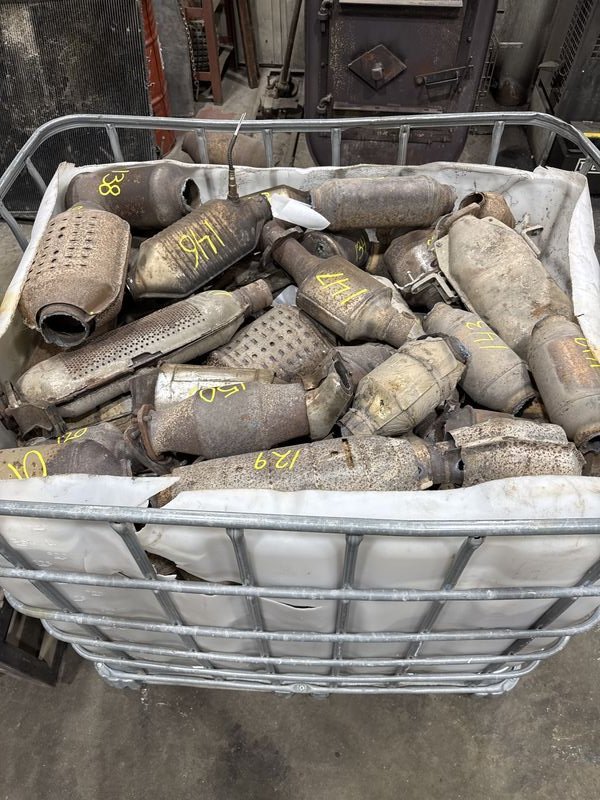
Why Your Catalytic Converter's Serial Number Is Worth More Than You Think
Most people selling a scrap catalytic converter focus on one thing: weight. That's understandable — but it's also leaving money on the table. The serial number stamped on your cat is the real key to understanding what it's worth. It tells buyers exactly which precious metals are inside, in what concentrations, and what those metals trade for right now. Without it, you're guessing. With it, you're negotiating.
If you're trying to get the best catalytic converter price Fredericton has to offer, learning to read serial numbers isn't just useful — it's essential. This guide breaks down exactly how to find, read, and use that number to get a fair price for your scrap cat in Canada.
What a Catalytic Converter Serial Number Actually Tells You
The serial number on a catalytic converter isn't just an ID tag. It's a data point that connects your specific unit to a database of known precious metal loadings — platinum (Pt), palladium (Pd), and rhodium (Rh). These are the three platinum group metals (PGMs) that make a cat converter valuable at any scrap yard. Rhodium alone trades at a significant premium compared to gold, which is why even the rhodium price today swings the value of a single cat by tens of dollars.
Buyers and processors use serial numbers to look up the estimated PGM content of your exact unit before they make an offer. That's how they price it — not by guessing, not by feel, but by referencing historical assay data for that specific converter model. If you walk in without a serial number, you're asking a buyer to price by visual inspection alone. That almost always means a lower offer.
- Platinum (Pt): Helps the converter handle oxidation reactions at high temperatures
- Palladium (Pd): Most common PGM in modern cats — especially petrol/gasoline engines
- Rhodium (Rh): Rarest and most valuable PGM — handles NOx reduction, trades at a steep premium
Where to Find the Serial Number on Your Catalytic Converter
The location varies by make, model, and year — but there are a few consistent spots to check. Before you start looking, make sure the converter is cool. If it's just come off a vehicle, wait. The stamping is usually on the metal shell of the converter itself, not on a sticker or label.
Here's where to look, in order of likelihood:
- Heat shield or outer shell: The most common location. Look for a stamped or engraved number directly on the metal casing, often near the inlet or outlet pipe.
- End cap: Some manufacturers stamp the number on the flat end cap of the converter — either the inlet or outlet side.
- Pipe weld seam: Occasionally you'll find a stamped code along the weld line running the length of the converter.
- Manufacturer label or laser etch: Newer OEM converters sometimes carry a laser-etched number or a metal plate riveted to the body.
If the converter is heavily rusted, corroded, or has been on the underside of a vehicle for a decade, the number may be difficult to read. Use a wire brush to clean the surface, then use a flashlight at an angle to catch the stamping in relief. Take a photo — a high-contrast image under angled light often picks up stamped numbers that are nearly invisible to the naked eye.
How to Decode the Number: OEM vs. Aftermarket Cats
This is where it gets important for anyone focused on scrap metal recycling Canada-wide, but especially for sellers in markets like Fredericton where you may not have direct access to multiple buyers. OEM (original equipment manufacturer) converters and aftermarket converters are priced differently — sometimes dramatically so.
OEM converters carry the vehicle manufacturer's part number. These are the units that came on the car from the factory. They tend to have higher PGM loadings and are referenced in established pricing databases. A GM, Ford, Honda, or Toyota OEM cat will have a recognizable part number format — often starting with a prefix that identifies the brand.
Aftermarket converters (also called "direct-fit" or "universal" cats) carry their own part numbers from the aftermarket manufacturer — brands like MagnaFlow, Walker, Eastern, or AP Exhaust. These units are engineered to meet emissions standards but typically carry lower PGM loadings than OEM units. They still have value — but usually less per unit than a comparable OEM cat.
Here's a quick reference for common OEM number formats:
- Ford/Lincoln: Often starts with a letter prefix followed by a five-digit number (e.g., 2L1Z-5F250)
- GM/Chevrolet/GMC: Often alphanumeric with GM-specific prefixes
- Honda/Acura: Part numbers often stamped clearly with "Honda" and a numeric string
- Toyota/Lexus: Toyota cats are among the most sought-after in scrap metal recycling Canada — look for a Toyota part number format starting with numbers like 25051 or similar
- BMW/European imports: Longer alphanumeric strings; these cats often carry high rhodium and palladium loadings
The takeaway: always identify whether your cat is OEM or aftermarket before you walk into a yard or list it for sale. It affects your starting negotiation position significantly.
Using Your Serial Number to Verify Value Before You Sell
Once you have the serial number, you can use it proactively. Platforms and pricing databases allow you to cross-reference a serial number against known PGM loadings and current metal prices. This gives you a baseline before any buyer makes an offer.
This matters especially in a market like Fredericton, where you may have limited local buyers to compare against. A seller in Toronto might walk three cats to five different yards in an afternoon. In New Brunswick, that's not always practical. Knowing the approximate PGM profile of your unit means you can push back if an offer seems low — or recognize a fair offer when you see one.
This is exactly where a platform like SMASH changes the game. Instead of relying on whichever local buyer happens to pick up the phone, find the best price for your scrap in Canada by putting your documented inventory in front of vetted buyers across North America. Competition creates better price discovery. That's not theory — that's how markets work.
To get the best catalytic converter price in Canada, documentation is everything. Serial number, photos, vehicle make and model if available — all of it gives a buyer more confidence and gives you more negotiating leverage.
Red Flags to Watch for When Identifying Cats
Not every converter that looks valuable is valuable. And not every converter with a clear serial number will return a strong price. Here are the situations that should prompt a closer look before you sell — or before you pay more to acquire a cat for resale.
- No readable serial number: Could indicate a low-grade aftermarket unit, or a converter that's been ground or altered to remove identification. Buyers discount heavily — or pass entirely.
- Hollow rattle sound: Shake the cat. If the substrate (the ceramic or metallic honeycomb inside) rattles, it may be broken or missing. Damaged substrate means damaged PGM recovery — lower value.
- Extreme heat damage or melting: Visually distorted shells, melted ends, or discolored metal suggest the substrate may have been destroyed by overheating. The PGMs are still there, but recovery is harder and buyers will price accordingly.
- Duplicate or fake numbers: In high-value converter categories (DPF units, large diesel cats), number tampering exists. Cross-reference your serial against a trusted database before you buy a cat expecting it to be premium-grade.
For anyone reading Canadian catalytic converter pricing guides to sharpen their knowledge, understanding these red flags separates experienced sellers from first-timers who leave money on the table.
Getting the Best Catalytic Converter Price in Fredericton: Put It All Together
Here's the practical summary. You've got a cat converter — maybe one, maybe a pallet of them. Here's the process that gets you the strongest result in the current Canadian market:
- Locate and clean the serial number. Use a wire brush, angled light, and a camera. Document it clearly.
- Identify OEM vs. aftermarket. This determines which pricing database to cross-reference.
- Look up the PGM profile. Even a rough estimate of the platinum, palladium, and rhodium loading gives you a negotiating anchor. Keep in mind that the rhodium price today can significantly shift total value.
- Photograph the unit. Multiple angles — serial number, both ends, overall condition.
- Don't call one buyer. Use a platform like SMASH to get competitive offers from vetted buyers. One call to one buyer is not price discovery — it's just accepting whatever you're offered.
Whether you're an auto shop in Fredericton clearing out a backlog of cores, a scrapper running loads through New Brunswick, or a first-timer with a single converter from a trade-in, the process is the same. Document it, know what you have, and let competition work in your favour. Check current Canadian catalytic converter prices before you commit to any offer — and use local Fredericton scrap metal services that understand the regional market.
When you're ready to sell, don't guess at the value. Get a free quote at best-catalytic-converter-price.ca and put real market competition behind your converter.
Disclaimer: Catalytic converter prices fluctuate based on daily PGM spot prices including platinum, palladium, and rhodium. Always verify current rates before finalizing any sale.
Frequently Asked Questions
Q: Where is the serial number on a catalytic converter?
The serial number is typically stamped or engraved directly on the outer metal shell of the converter — most often near the inlet pipe, on the end cap, or along the weld seam. If it's hard to read due to rust or grime, clean the surface with a wire brush and use an angled flashlight or camera flash to make the stamping visible.
Q: Does the serial number affect how much my catalytic converter is worth at the scrap yard?
Yes — significantly. Buyers use the serial number to look up the known precious metal content (platinum, palladium, and rhodium) for that specific unit. Without it, buyers have to estimate by visual inspection, which typically results in a lower offer. Providing a clear serial number gives you more leverage and gives buyers more confidence to bid higher.
Q: How do I get the best catalytic converter price in Fredericton?
Document your converter thoroughly — serial number, photos, vehicle info if available — then get multiple offers instead of accepting the first one. Platforms like SMASH connect documented inventory with vetted buyers across Canada, which means more competition and better price discovery than a single local call. You can also get the best catalytic converter price in Canada through best-catalytic-converter-price.ca for local market rates.
Q: Are OEM catalytic converters worth more than aftermarket ones at scrap yards?
Generally, yes. OEM converters from the original vehicle manufacturer tend to carry higher PGM loadings than aftermarket units built to meet minimum emissions standards. The difference can be meaningful — sometimes doubling the value of a comparable unit. Always identify which type you have before selling.
Q: Does the rhodium price today affect what I get for my catalytic converter in Canada?
Absolutely. Rhodium is typically the highest-value PGM per troy ounce in a catalytic converter, and its price is volatile — it can swing dramatically within weeks. When rhodium prices are elevated, converters with known rhodium content see a direct price benefit. Checking current PGM spot prices before you sell is always worth doing, especially for premium converter types.
---Stay current on scrap metal markets and catalytic converter pricing trends — follow SMASH on LinkedIn for industry updates, PGM market insights, and practical tips for getting more out of your scrap.