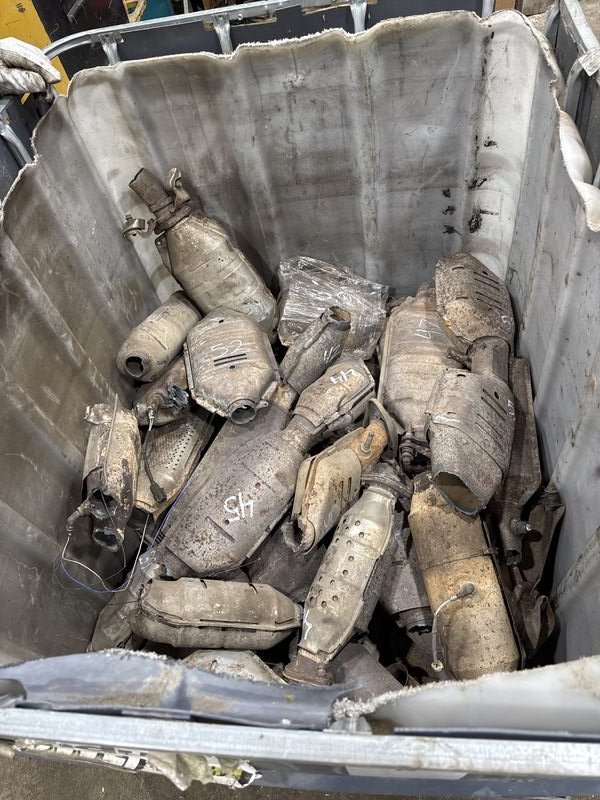
Catalytic Converter Theft Is Costing Legitimate Recyclers — Here's What It Actually Looks Like
Catalytic converter theft in Canada spiked dramatically in the early 2020s — and the aftershocks are still hitting the legitimate recycling market hard in 2026. If you run an auto shop, collect scrap, or work in a recycling yard, you've probably felt it. Buyers are more cautious. Documentation requirements have tightened. And the shadow of stolen material has made it harder for honest sellers to get the best catalytic converter price in Canada without jumping through extra hoops.
This isn't just an enforcement problem. It's a market integrity problem. And it hits hardest in regions like Victoria and across British Columbia, where legitimate recyclers are doing things right — only to find themselves caught in a system now designed to treat every seller with suspicion.
Here's what the theft problem actually looks like on the ground, how it distorts pricing and buyer behaviour, and what sellers can do to protect themselves — and their payout.
How Catalytic Converter Theft Distorts the Legitimate Market
Stolen cats flood the secondary market. When that happens, buyers tighten up — not because they don't want to buy, but because they can't afford the legal liability of purchasing stolen platinum group metals. Platinum, palladium, and rhodium are the three metals that give a catalytic converter its value. They're also the reason thieves target them. A single cat can hold hundreds of dollars in recoverable PGMs, and the job takes under two minutes with a battery-powered saw.
The fallout hits legitimate sellers in two ways. First, buyers lower their offers or add documentation friction to protect themselves. Second, the overall market becomes less transparent — which means you have less visibility into what your converters are actually worth. That opacity benefits no one except the middlemen.
- Buyers reduce offers to build in legal risk margin
- Documentation requirements increase — VIN numbers, photo proof, bills of sale
- Market pricing becomes murky — harder to benchmark a fair number
- Legitimate sellers wait longer for verified payouts while paperwork clears
- Smaller yards and collectors get squeezed out by compliance costs they can't absorb
This isn't theoretical. Recyclers across British Columbia have reported that the compliance burden has increased year over year since provincial regulations tightened in response to theft surges. The intent was right. The execution created friction that honest sellers bear disproportionately.
What Legitimate Sellers in Victoria Are Dealing With in 2026
In Victoria, the recycling market is competitive but cautious. Local auto shops pulling converters from end-of-life vehicles are doing everything right — they have repair records, VINs, customer authorizations. But they're still running into buyers who lowball because they've been burned by suspicious material in the past, or because they're uncertain about regional enforcement trends.
The practical result? Sellers who don't know their converters' true value leave money on the table. A shop sitting on a load of mixed cats — domestic, foreign, diesel — may have no reliable way to know what that load is actually worth on the open market. Without competition between buyers, the first offer they get often becomes the only offer they consider.
That's exactly the dynamic that platforms designed to connect sellers with vetted buyers are built to fix. When you can sell catalytic converters online through a system that brings multiple verified buyers to your load, you stop guessing. The market tells you what your material is worth. That's how legitimate sellers reclaim the advantage that theft culture tried to take from them.
If you're based in Victoria and navigating this, connecting with Victoria scrap metal services can help you understand local market conditions and documentation best practices before you sell.
Documentation: The Tool That Separates Legitimate Sellers from the Noise
The single most important thing a legitimate recycler can do in this environment is document everything. Not because you're under suspicion — but because documentation is now the currency that unlocks buyer confidence and, by extension, better offers.
Here's what strong documentation looks like for a catalytic converter sale in 2026:
- VIN lookup or serial tracking — ties each converter to a specific vehicle with a verifiable history
- Photo documentation — timestamped images of the converter, the vehicle it came from, and your facility
- Bill of lading (BOL) or packing list — itemizes what you're selling before the load moves
- Source records — repair orders, customer authorization forms, or acquisition records
- Buyer verification — only deal with buyers who are vetted and accountable
That last point matters more than most sellers realize. When you sell scrap metal online, you're not just moving material — you're entering a transaction that leaves a digital trail. That trail protects you as much as it protects the buyer. Platforms like SMASH build this into the process by default. VIN lookup, serial tracking, and photo documentation aren't extras — they're standard. And auto-invoicing means the paperwork closes out cleanly on both ends.
When buyers see a well-documented load, they compete harder for it. Confidence reduces their risk margin, which means more of the PGM value flows back to you. If you want to read Canadian catalytic converter pricing guides that break down how documentation affects your payout, the resources are there — use them.
How SMASH Helps Legitimate Sellers Reclaim Market Transparency
The core problem theft created isn't just legal — it's informational. When the market fills with suspicious material, pricing signals get distorted. Buyers stop competing openly. Sellers lose the benchmark they need to know if they're getting a fair number. That information gap is where legitimate sellers get hurt most.
SMASH addresses this directly. Rather than calling one buyer and taking whatever they offer, sellers bring their documented load to an auction format where vetted buyers compete. More buyers means better price discovery. That's not a sales pitch — it's how competitive markets work. When a buyer knows three other verified buyers are also looking at your load, the offer reflects the actual market for platinum, palladium, and rhodium content — not a lowball built around legal risk they're padding for.
The model also matters for trust. SMASH doesn't charge subscription fees. The platform wins when sellers win. That alignment creates an incentive to bring serious, verified buyers to every load — not just fill the platform with names. If you want to get competitive bids for your scrap in Canada, that's the standard to hold any platform to.
For sellers who've been frustrated by the post-theft market — the extra paperwork, the cautious buyers, the opaque pricing — this is what the path back to fair value looks like. Document well. Sell competitively. Use platforms that bring verified buyers and require accountability on both sides of the transaction.
What the Platinum Group Metals Market Actually Looks Like for Canadian Sellers
Understanding what drives catalytic converter value helps sellers navigate this market more confidently. The three recoverable metals — platinum, palladium, and rhodium — are traded globally, and their prices fluctuate based on mining output, automotive production, industrial demand, and geopolitical supply factors. South Africa and Russia dominate PGM mining. When supply tightens in either region, Canadian scrap values move in response.
What this means practically: the value of your converters isn't fixed. A load of foreign cats (typically higher in palladium) sitting in your yard today may be worth more or less than it was six months ago. Diesel cats carry more platinum. Domestic units vary widely. Without current market data and multiple buyer bids, you have no reliable way to know if the offer you're looking at reflects today's market or last quarter's.
This is why timing and transparency both matter. If you're holding material, check current pricing signals before you move it. When you're ready to sell, don't settle for a single offer. The cat converter value in your load is real — the question is whether the sale process you use extracts it fully. To check current Canadian catalytic converter prices before you sell, use every resource available to benchmark where your material sits.
Disclaimer: Catalytic converter prices fluctuate based on global PGM markets, converter type, and regional demand. Always verify current rates before selling.
Frequently Asked Questions
Q: Does catalytic converter theft affect what I get paid as a legitimate seller in Victoria?
Yes, indirectly. Theft increases buyer caution and compliance costs across the board. Buyers in Victoria and across British Columbia may offer lower prices or require more documentation because the market now carries legal risk from stolen material. Good documentation and selling through vetted platforms helps you separate yourself from that risk — and get offers that reflect your material's actual value.
Q: What documentation do I need to sell catalytic converters legally in British Columbia in 2026?
Requirements vary by buyer and local regulation, but at minimum you should have VIN records tied to the vehicles the converters came from, photo documentation, and a clear record of how you acquired the material. Repair shops should maintain customer authorization records. Selling through a platform that builds documentation into the process — like SMASH — protects you and signals legitimacy to buyers.
Q: Can I sell catalytic converters online in Canada, and is it safe?
Yes. Selling catalytic converters online through platforms with vetted buyers is both legal and practical. The key is using a platform that verifies buyers, requires documentation, and provides a clear transaction trail. That documentation protects you legally and typically results in better offers because buyers compete with more confidence.
Q: How do I know if the price I'm being offered for my catalytic converters is fair?
The only reliable way to know is to get competing offers. A single buyer will always offer what benefits them most. Platforms that bring multiple vetted buyers to your load create the competitive pressure that reveals the actual market. Benchmarking against current PGM spot prices for platinum, palladium, and rhodium also helps you understand your material's floor value.
Q: How does catalytic converter recycling in Victoria compare to selling in larger Canadian cities?
The fundamentals are the same — PGM content drives value regardless of geography. The difference is buyer access. Sellers in larger markets may have more local buyers competing for their material. Online platforms level that playing field for Victoria sellers by connecting them with vetted buyers across North America, ensuring your load gets seen by more serious buyers regardless of where you're located.
If you're a legitimate seller in Victoria — doing things right, keeping records, and still not getting fair value — the problem isn't you. It's the market structure. Bring your documented load to a competitive process, work with vetted buyers, and let the market reflect what your converters are actually worth. When you're ready, get the best catalytic converter price in Canada by starting with a free quote at best-catalytic-converter-price.ca.
Stay ahead of the market — follow SMASH on LinkedIn for scrap metal market insights, PGM price movement, and industry updates that actually affect what you get paid.