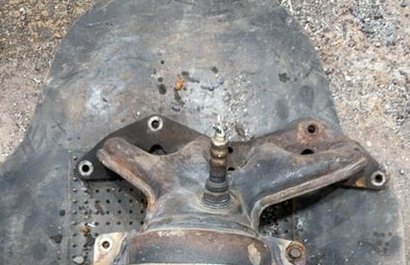
Most people think of a dead catalytic converter as just another scrap part — pull it off, toss it in a bin, collect a few dollars. But what's actually inside that battered steel shell is a story worth understanding. Platinum, palladium, and rhodium are three of the rarest and most environmentally costly metals on earth to mine. Recycling them properly isn't just good for your wallet. It's genuinely important for the planet — and for the Canadian recycling industry that depends on doing this right.
If you're in Charlottetown or anywhere across Prince Edward Island looking to sell a cat converter, knowing why proper recycling matters helps you make better decisions about who you sell to. Not every buyer handles these metals responsibly. And not every seller gets paid what the load is actually worth.
This article breaks down both sides: the environmental case for responsible catalytic converter recycling, and how to make sure you get the best catalytic converter price in Canada when you do it.
What's Actually Inside a Catalytic Converter — and Why It Matters
Strip away the outer casing and you find a honeycomb ceramic or metalite substrate coated with platinum group metals (PGMs): platinum, palladium, and rhodium. These metals are what make the converter work — they catalyze harmful exhaust gases like carbon monoxide, hydrocarbons, and nitrogen oxides into less harmful compounds before they leave the tailpipe.
Here's the environmental tension: mining these metals is extremely resource-intensive. South Africa and Russia produce the vast majority of the world's PGMs. Extraction involves massive open-pit or underground mining operations, significant water use, and substantial carbon output per ounce recovered. When a catalytic converter gets buried in a landfill or improperly dismantled, those metals are lost — and the mining industry has to dig more out of the ground to replace them.
Proper recycling short-circuits that cycle. A recovered cat converter goes to a smelter or refiner, PGMs are extracted and re-entered into the supply chain, and the need for new mining is reduced. That's a real, measurable environmental benefit — not a marketing claim.
- Platinum — Used as a catalyst in petrol (gasoline) vehicles. Also critical for hydrogen fuel cell technology.
- Palladium — Dominant in gasoline vehicle converters. Demand from the auto sector remains elevated even as EV adoption grows.
- Rhodium — The rarest of the three. Rhodium price today fluctuates significantly but consistently commands a high value per troy ounce due to extreme scarcity.
All three metals are finite. All three are worth recovering. And all three reward sellers who go through legitimate, documented channels rather than informal buyers who may not process loads responsibly.
5 Reasons Proper Catalytic Converter Recycling Is Better for the Environment
This isn't a lecture. It's a practical breakdown of why recycling cats through verified, professional buyers produces better outcomes — for the environment and for you.
- Reduces demand for new PGM mining. Every ounce of platinum, palladium, or rhodium recovered from a scrap converter is an ounce that doesn't need to come from a mine. At scale, this has a measurable effect on global mining activity and the environmental damage it causes.
- Prevents toxic contamination. Catalytic converters that end up in informal scrap piles, improperly handled, or landfilled can leach trace metals and ceramic particulates. In a coastal province like Prince Edward Island, where soil and water quality are closely tied to agriculture and fisheries, improper disposal carries real local risk.
- Keeps valuable materials in a documented supply chain. When you sell through a vetted platform — rather than an unknown buyer — the load gets processed by smelters and refiners who operate under environmental compliance standards. The chain of custody matters.
- Reduces the carbon footprint of PGM supply. Recycling PGMs is significantly less carbon-intensive than mining virgin material. Choosing a buyer who actually sends converters through a proper refining process supports that lower-emission pathway.
- Supports a legitimate scrap metal recycling Canada ecosystem. The Canadian recycling industry processes billions of dollars in material annually. When that material moves through professional, accountable channels, it sustains jobs, complies with regulations, and generates real economic value — including for yards and sellers in smaller markets like Charlottetown.
Want to go deeper on how pricing works alongside these environmental considerations? Read Canadian catalytic converter pricing guides that explain what drives value — and how to position your load correctly.
The Problem with Selling Catalytic Converters the Old Way
The traditional route for selling a scrap cat converter in a smaller market is familiar: you call one local buyer, take whatever they quote, and move on. If you're selling a handful of units — pulled from your own vehicles or accumulated at a small shop — that might feel like the path of least resistance. But it often leaves money on the table, and it doesn't guarantee proper recycling.
Compare that approach to selling catalytic converter to scrap yard networks that operate under documented, transparent processes. When a yard or seller lists cats through an auction platform, multiple vetted buyers compete. That competition surfaces a more accurate market price — not a margin-padded offer from the only buyer who answered the phone. More importantly, buyers who operate within these structured systems are accountable. They have reputations to protect and processes to follow.
Some sellers in Eastern Canada have explored options like brown's aluminum & catalytic converter scrap yard Somerville-style operations — regional yards that handle non-ferrous material locally. There's value in that model, particularly for smaller volumes. But for anyone moving meaningful quantities of cats, the pricing gap between a local single-buyer offer and a multi-buyer auction environment can be significant. That gap represents real dollars that belong in your pocket, not someone else's margin.
The environmental argument reinforces the economic one: when you go through a professional channel, you're more likely to end up in a supply chain that actually recycles the PGMs responsibly. Informal or opaque buyers don't always offer that assurance.
How SMASH Connects Sellers to Buyers Who Actually Compete
SMASH is a B2B scrap metal auction platform built for exactly this kind of transaction. Yards and sellers across North America use it to list loads — including catalytic converters — and let vetted buyers bid. The auction format replaces the guesswork of one-buyer pricing with actual market competition.
For sellers in Charlottetown or anywhere across Atlantic Canada, that matters because your access to buyers has historically been limited by geography. SMASH removes that limitation. When your load goes to auction, you're not competing for attention from one regional contact — you're in front of multiple buyers who have been screened, verified, and are actively competing for good material.
Here's what that looks like in practice for catalytic converter loads:
- Photo documentation of the load — buyers can assess condition and grade before bidding.
- Serial number tracking and VIN lookup capability for units where provenance matters.
- Inventory tools that let you organize and categorize cats by type (domestic, foreign, diesel, etc.) before listing.
- Auto-invoicing and transparent transaction records — no ambiguity after the sale closes.
- No subscription fees. SMASH only wins when you win.
That documentation-first approach also supports the environmental case. When a load is properly catalogued and sold to an accountable buyer, it's far more likely to move through a legitimate refining process than a cash-and-carry transaction with no paper trail.
Visit smashrecycling.ca to learn how the platform works and what it takes to list your first load.
What Drives Catalytic Converter Value — and How to Maximize Yours
Understanding value helps you make better decisions — both about when to sell and how to present your load. Catalytic converter prices in Canada are driven by a combination of factors, most of them tied to the global PGM market.
Key price drivers:
- Rhodium price today — Rhodium is the most volatile of the three PGMs and often the largest single driver of high-value cat prices. Check current spot prices before you list.
- Palladium and platinum spot prices — Both fluctuate with auto industry demand, EV adoption rates, geopolitical supply factors, and currency movements.
- Converter type and grade — A large foreign (import) cat from a Japanese or European vehicle typically contains more PGM loading than a domestic unit. Diesel cats have different profiles again.
- Condition — Intact, uncut converters that haven't been thermally damaged or de-canned retain full substrate material and command better prices.
- Volume — Larger lots give buyers confidence and typically attract stronger bids. If you're a shop accumulating converters over several months, holding until you have a meaningful lot can pay off.
If you're not sure where current Canadian market values sit, check current Canadian catalytic converter prices before making any decisions. Market conditions shift — sometimes quickly — and a price that looked fair last month may be significantly below market today.
Disclaimer: Catalytic converter prices fluctuate with global PGM markets. Always verify current rates before selling.
Doing It Right in Charlottetown — and Across Prince Edward Island
Charlottetown is not a major scrap metal hub. That's a geographic reality. But it doesn't mean sellers here have to accept below-market prices or informal transactions that skip responsible recycling altogether.
The combination of proper preparation (photo documentation, serial tracking, honest grading), a platform like SMASH that connects you to verified buyers regardless of your location, and a basic understanding of what PGM prices are doing right now — that combination levels the playing field. A yard operator or auto shop in Charlottetown can access the same buyer competition as someone sitting in Toronto or Calgary.
Recycling catalytic converters properly isn't just an environmental virtue. It's a practical decision that produces better outcomes: more money for your load, a cleaner transaction, and the knowledge that the platinum, palladium, and rhodium inside those units is going back into productive use — not into the ground.
When you're ready to sell, make sure you're positioned to get paid what your load is actually worth. Get the best Canadian price for your catalytic converter — get a free quote at best-catalytic-converter-price.ca.
Frequently Asked Questions
Q: How do I get the best catalytic converter price in Charlottetown?
The best approach is to document your load with photos, know your converter types and quantities, and use a platform that puts your load in front of multiple buyers rather than accepting a single local quote. Competition drives better price discovery. SMASH connects sellers across Canada — including in Charlottetown — with vetted buyers who actively bid on catalytic converter loads.
Q: Why does the rhodium price today affect my catalytic converter value?
Rhodium is one of the three platinum group metals (PGMs) found in catalytic converter substrates. It's the rarest of the three and commands the highest price per troy ounce. When rhodium spot prices rise, the value of PGM-rich converters rises with them. Always check current PGM spot prices before listing or accepting a quote.
Q: Is it legal to sell catalytic converters for scrap in Prince Edward Island?
Yes, selling scrap catalytic converters is legal in Prince Edward Island. However, regulations around documentation have tightened across Canada in recent years to combat theft. Expect legitimate buyers to ask for proof of ownership or vehicle documentation, particularly for newer or high-value units. Selling through a documented platform protects you and establishes a clear chain of custody.
Q: What's the difference between selling catalytic converters to a scrap yard versus using an auction platform like SMASH?
A local scrap yard gives you one price — their price. An auction platform like SMASH puts your load in front of multiple vetted buyers who compete against each other. That competition surfaces a more accurate market price and typically produces better outcomes for sellers, especially for meaningful quantities of catalytic converters.
Q: Does proper catalytic converter recycling really make an environmental difference?
Yes — measurably. The platinum, palladium, and rhodium recovered from recycled converters re-enter the supply chain, reducing the need for new PGM mining. Mining these metals is resource-intensive and carbon-heavy. Recycling through legitimate, accountable buyers ensures the material actually gets refined and reused rather than lost in informal handling or landfill.
Stay current on scrap metal market trends and pricing insights — follow SMASH on LinkedIn at linkedin.com/company/scrap-metal-auction-sales-hub for regular updates from inside the industry.
```