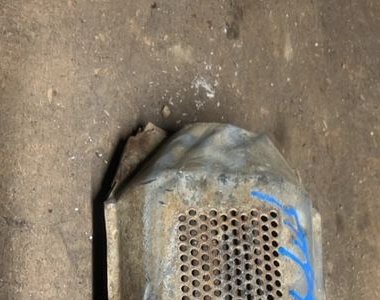
The Catalytic Converter Scam Problem Nobody Talks About
Sellers in Medicine Hat and across Alberta are leaving serious money on the table — not because of bad luck, but because of bad buyers. The scrap catalytic converter market has a fraud problem. Lowball offers dressed up as "fair market value." Buyers who disappear after making verbal commitments. Assay results that conveniently come back lower than expected. If you've sold a cat before and walked away feeling uneasy, your instincts were probably right.
This article breaks down the most common scams targeting catalytic converter sellers in Canada, how to spot them before they cost you, and how tools like SMASH Recycling — where verified buyers bid on your metal are changing the game for sellers who want real price discovery instead of someone else's best guess.
If you want to get the best catalytic converter price in Canada, knowing what you're up against is step one.
Scam #1 — The Phantom Assay: When Numbers Don't Add Up
Here's how this one works. You hand over your catalytic converters. The buyer sends them to an assay lab. Two weeks later, you get a report showing low platinum, palladium, and rhodium content — far below what you expected. The payout reflects those numbers. You have no way to verify the results, no independent sample retained, and no recourse.
This is one of the most widespread problems in the scrap cat market, and it hits harder when rhodium price is high. When rhodium trades at significant value, the incentive to under-report recovery is enormous. Even small discrepancies in reported PGM (platinum group metal) content across a load of 50 to 100 units can mean hundreds or thousands of dollars redirected away from you.
How to protect yourself:
- Always request a split-sample assay. A reputable buyer will agree to retain a portion of the material for independent testing.
- Ask for the full assay report — not a summary. You want platinum, palladium, and rhodium percentages listed separately.
- Research the typical PGM content for the specific converter types you're selling. DPF units, foil-type cats, and ceramic-substrate converters all have different yield profiles.
- If a buyer refuses to share assay documentation, treat that as a red flag, not a policy.
Price transparency starts with data. Platforms built around documented inventory and buyer competition make it much harder for assay manipulation to fly under the radar.
Scam #2 — The Bait-and-Switch Offer: Your Quote Just Changed
You call a buyer in Medicine Hat or find one online. They quote you a price per unit or per pound over the phone. You drive across town, drop off your load, and suddenly the numbers shift. The buyer "inspects" the units and explains that several are aftermarket, cracked, or low-grade. The price drops. You're already there. The load is already off your truck. You take the lower offer because walking away feels harder than accepting.
This is deliberate. The bait is the phone quote. The switch happens at the scale or the inspection table. It's not a misunderstanding — it's a closing technique.
Here's how to avoid it:
- Get offers in writing before you move material. A legitimate buyer won't have a problem putting a conditional quote in an email.
- Photograph every unit before drop-off. Document condition, serial numbers where visible, and any markings that identify the converter type.
- Know the difference between OEM and aftermarket units before you walk in the door. OEM cats from late-model vehicles typically carry significantly more PGM content than aftermarket replacements.
- Use a VIN lookup or serial tracking tool to cross-reference your units against known converter databases before negotiating.
The moment a buyer devalues your load after you've already delivered it, you're playing by their rules. Don't let the transaction start there.
How Competition Protects You — The SMASH Approach to Price Discovery
The single biggest structural problem in the catalytic converter market is this: most sellers negotiate with one buyer at a time. One phone call. One quote. No way to know if the number is fair, inflated, or a deliberate lowball.
That's exactly the problem SMASH was built to solve. Rather than sending your load to a single buyer and hoping for the best, SMASH scrap metal auction format puts vetted buyers in direct competition for your material. When multiple buyers bid against each other, the price reflects actual market demand — not whatever a single buyer decides is convenient today.
For sellers in Medicine Hat and across Alberta, this matters for catalytic converters specifically because PGM values fluctuate with global commodity markets. The rhodium price today may be very different from what it was last month. A buyer locking you into a flat per-unit rate isn't doing you a favour — they're protecting their margin at your expense. Competition corrects that.
SMASH also supports photo documentation and serial tracking, which means your inventory is documented before it changes hands. That documentation gives buyers more confidence to bid aggressively, and it gives you a paper trail if anything is disputed later. If you want to check current Canadian catalytic converter prices and understand what documented, competitive selling looks like, that context matters.
Scam #3 — The Unlicensed Buyer: Fast Cash, No Paper Trail
This one is increasingly common in Alberta and other provinces where scrap metal recycling Canada regulations have tightened around catalytic converter transactions. An unlicensed buyer shows up — sometimes via social media, sometimes through word of mouth — offering cash on the spot, no paperwork, no questions asked. The offer sounds attractive. The process sounds simple.
The problems stack up fast:
- No bill of lading. No invoice. No documentation that the transaction happened or that you were paid fairly.
- If the buyer is purchasing stolen material through their network, and your units end up associated with a theft investigation, you have no proof of legitimate sale.
- You have zero recourse if payment doesn't come through or the agreed price changes at the last minute.
- In many provinces, selling to an unlicensed buyer may create legal exposure for the seller, not just the buyer.
Alberta has seen increased regulatory focus on the scrap metal sector, including catalytic converter sales. Licensed, documented buyers aren't just safer — they're increasingly required. A buyer unwilling to provide any paperwork is not protecting you. They're protecting themselves.
Always ask for the buyer's business registration, recycler's license number, and confirmation that the transaction will be documented with a proper invoice. Legitimate buyers expect this question. Scammers don't like it.
Scam #4 — The Price-Per-Pound Trap on Mixed Loads
Catalytic converters are not priced equally. A Honda Accord cat from a 2019 model year carries different PGM content than a diesel particulate filter from a commercial truck. A foil-type cat recycles differently than a ceramic-substrate unit. Grouping all of these into a single "price per pound" offer is sometimes legitimate — and sometimes a deliberate way to average down the value of your high-grade material.
If you're selling a mixed load in Medicine Hat or anywhere else in Alberta, push for unit-by-unit identification before agreeing to a blanket per-pound rate. This is especially important when your load includes:
- Late-model OEM converters from premium or performance vehicles
- Diesel oxidation catalysts (DOCs) or diesel particulate filters (DPFs)
- Large-format units from SUVs or trucks
- Any converter where you've already cross-referenced PGM content and know its approximate value
The more you know about what you're holding, the harder it is for a buyer to hide value inside a blended rate. To read Canadian catalytic converter pricing guides and understand how different unit types are valued, that background knowledge pays off at the negotiating table.
What Good Looks Like: Spotting a Legitimate Buyer
After all the red flags, it's worth being direct about what the right side of this market looks like. Legitimate catalytic converter buyers in Canada share a few consistent characteristics.
They document everything. Bills of lading, packing lists, itemized invoices — the paperwork trail is part of how they operate, not an obstacle to closing a deal. They're transparent about the assay process, including timelines, lab names, and how PGM recovery is calculated. They don't change their offer after you've handed over material without a documented, specific reason backed by evidence.
They also expect competition. A buyer confident in their offer doesn't need you to commit before you've had a chance to compare. Platforms like SMASH work because serious, vetted buyers understand that competitive markets produce better outcomes for everyone — including buyers who want a reputation for fair dealing.
If a buyer pressures you to decide immediately, tells you that "the price is only good today," or gets defensive when you ask about documentation — those aren't sales tactics. Those are signals.
Frequently Asked Questions
Q: How do I know if a catalytic converter buyer in Medicine Hat is legitimate?
Ask for their business license number, confirm they provide documented invoices for every transaction, and verify that they'll share full assay results if the sale is based on PGM recovery. Legitimate buyers operating in Alberta will have no issue answering these questions directly. If they hesitate or deflect, look elsewhere.
Q: What is the risk of selling my catalytic converter to an unlicensed buyer?
In Alberta and across Canada, selling scrap catalytic converters without proper documentation creates legal and financial exposure. If the material ends up associated with theft investigations, or if the buyer disappears without paying, you have no paper trail to protect yourself. Always insist on a documented transaction with a licensed recycler or vetted platform.
Q: Does rhodium price affect how much my catalytic converter is worth in Canada?
Yes — significantly. Rhodium, along with platinum and palladium, is one of the three primary PGMs recovered from catalytic converters. When rhodium prices are high, the value of certain converter types increases substantially. Checking current PGM spot prices before you negotiate helps you understand whether a buyer's offer reflects the actual market. Prices fluctuate daily, so always verify current rates before accepting any offer.
Q: Can I get a competitive price for my catalytic converters without calling multiple buyers myself?
Yes. Platforms like SMASH run a vetted auction format where buyers compete for your material — you don't have to cold-call a list of recyclers and track quotes manually. More competition means better price discovery, and the documentation built into that process protects you at every stage.
Q: How many catalytic converters do I need to sell before it's worth getting multiple quotes?
Even a single high-value unit — like a cat from a newer hybrid or premium vehicle — is worth comparing offers on. For loads of five units or more, the difference between a lowball single-buyer offer and a competitive market price can be meaningful. Don't assume a small load isn't worth the extra step.
The catalytic converter market in Medicine Hat and across Alberta rewards sellers who show up prepared. Know your units, document your load, insist on paperwork, and don't let a single buyer set the price for your material without competition pushing back. If you're ready to find out what your cats are actually worth, get the best Canadian price for your catalytic converter — get a free quote at best-catalytic-converter-price.ca.
Disclaimer: Catalytic converter prices fluctuate based on daily PGM spot prices for platinum, palladium, and rhodium. All values are market-dependent. Always verify current rates before completing any sale.
Stay sharp on scrap metal market movements — follow SMASH on LinkedIn for industry updates, pricing insights, and market news that actually matters to recyclers and sellers across North America.