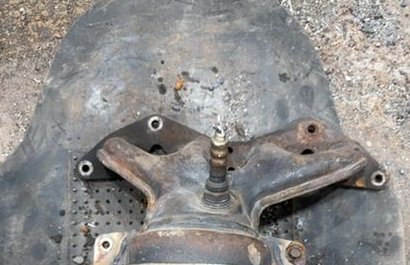
Rhodium sells for more per ounce than gold, platinum, and palladium — sometimes by a wide margin. If you have a pile of scrap catalytic converters sitting in your yard or shop in Quebec City, that fact matters more than you might think. The converter you're treating like bulk scrap could be carrying one of the most valuable metals on the periodic table.
This article breaks down why rhodium commands such extreme value, how it compares to platinum and palladium inside a catalytic converter, and what it means when you're trying to get the best catalytic converter price in Canada. Whether you're an auto shop clearing out old stock or a collector sitting on a load of cats, understanding the metals inside changes how you should approach selling.
Rhodium, Platinum, and Palladium: What's Actually Inside a Catalytic Converter
Every catalytic converter contains a ceramic or metallic substrate coated with a "washcoat" — a layer of materials designed to trigger chemical reactions that reduce harmful exhaust emissions. Embedded in that washcoat are platinum group metals (PGMs): platinum, palladium, and rhodium. These three metals do the chemical heavy lifting, but they don't do equal work, and they're not worth equal money.
Platinum handles oxidation reactions, converting carbon monoxide and unburned hydrocarbons into carbon dioxide and water. Palladium does much the same job and has largely replaced platinum in many modern gasoline converters because it's historically been cheaper to source. Rhodium is the specialist. It handles reduction reactions — specifically, breaking down nitrogen oxides (NOx) into harmless nitrogen and oxygen. No other metal does this job as efficiently at converter operating temperatures. That functional uniqueness is the foundation of rhodium's value.
- Platinum: Oxidation catalyst, used more heavily in diesel converters
- Palladium: Oxidation catalyst, dominant in modern gasoline converters
- Rhodium: Reduction catalyst, present in almost every three-way converter, irreplaceable for NOx control
The loading ratios vary significantly by vehicle make, model, year, and engine type. A large-displacement truck converter might carry several grams of PGMs total. A compact economy car might carry a fraction of that. This is exactly why knowing your serial numbers and vehicle data matters — and why guessing your way through a sale leaves money behind.
Why Rhodium Prices Dwarf Platinum Price Today
When people look up platinum price today, they're often surprised to find rhodium isn't even on the same chart — it operates in a completely different price range. Rhodium has historically traded at multiples of platinum's spot price, sometimes reaching extreme peaks that make even gold look affordable. While prices fluctuate constantly (and you should always check current Canadian catalytic converter prices before selling), the structural reasons behind rhodium's premium are worth understanding.
Three factors drive rhodium's extreme value:
- Scarcity of supply. Rhodium is one of the rarest elements on Earth. It's almost never found in pure form and is only produced as a byproduct of platinum and nickel mining, primarily in South Africa. Annual global production is tiny — measured in tonnes, not the thousands of tonnes associated with more common metals. If a single major South African mine disrupts output, the entire global supply tightens almost immediately.
- No synthetic alternative. There's no lab-grown rhodium substitute that works in a catalytic converter. Automakers have spent decades trying to reduce PGM loadings, but rhodium remains functionally irreplaceable for meeting NOx emission standards. As long as internal combustion engines are on the road, there's demand.
- Tight, inelastic demand. The automotive sector consumes the overwhelming majority of rhodium produced globally. When new vehicle production surges, demand spikes. When emission regulations tighten — as they have been doing steadily across North America — manufacturers need more rhodium per converter to meet standards. Supply can't respond quickly. Prices move hard.
For scrap sellers, this creates real opportunity. The rhodium in a converter that looks worn out or worthless is still rhodium. It doesn't degrade the way the converter's physical substrate might. The metal is recoverable, and refiners know exactly what it's worth.
How Converter Type Affects Rhodium Content — and Your Payout
Not all catalytic converters carry the same PGM loading, and not all converters are equal in rhodium content. This is where sellers in Quebec City and across Quebec often leave the most money on the table — selling by weight or appearance rather than by actual metal content.
Here's a rough breakdown of how converter types differ in PGM loading:
- Three-way converters (TWC): Used in gasoline passenger vehicles. Contain all three PGMs — platinum, palladium, and rhodium. These are the most common cats and usually carry meaningful rhodium content.
- Diesel oxidation catalysts (DOC): Primarily platinum-based. Lower or no rhodium content. Typically lower value per unit than a comparable gasoline TWC.
- Diesel particulate filters (DPF): Contain platinum and sometimes palladium, rarely rhodium. Valued differently from standard cats.
- High-value OEM converters: Certain large SUVs, trucks, and luxury vehicles carry significantly higher PGM loadings. These can be worth several times a standard economy car converter.
- Aftermarket converters: Generally carry lower PGM loadings than original equipment converters. Worth less at sale. Knowing whether a cat is OEM or aftermarket matters.
Serial number lookup tools — like those available through platforms built for this industry — let you identify a converter before you sell it. That means you know roughly what category of converter you're holding, which puts you in a much stronger position when talking to buyers.
The Old Way of Selling Cats Is Costing You Money
Here's how most scrap catalytic converters get sold in Canada: a yard or shop calls their regular buyer, quotes a rough count, and accepts whatever price gets offered. No comparison. No data. No documentation. Just a handshake and a cheque.
That approach works fine for the buyer. It works badly for the seller.
When you're holding a load that includes high-rhodium converters — the kind from full-size trucks, SUVs, or certain European vehicles — a single-buyer deal means you have no idea whether you're getting fair value. The buyer knows their margins. You're guessing.
A scrap metal auction platform changes the dynamic. Instead of one buyer making you an offer you can't compare, multiple vetted buyers compete for your load. That competition is what drives price discovery. It's not magic — it's just how markets are supposed to work. Platforms like compare scrap metal bids from Canadian buyers SMASH bring that competitive structure to catalytic converter sales, so sellers in Quebec City and across Quebec aren't stuck accepting the first number they hear.
Documentation matters too. Photo records, serial tracking, and accurate packing lists give buyers the confidence to bid higher because they know what they're getting. Undocumented loads get discounted — buyers assume the worst when they can't verify the best.
What Quebec City Sellers Should Know Before Listing a Cat Load
If you're based in Quebec City and you're sitting on catalytic converters — whether it's a dozen from your auto shop or a full pallet from a recycling operation — a few steps before selling can meaningfully affect your outcome.
First, sort by converter type. Keep diesel oxidation catalysts separate from three-way converters. Keep large-vehicle cats separate from economy car cats. Mixed loads are harder to value accurately and tend to get priced to the low end.
Second, photograph everything. Document the serial numbers visible on each converter. Use VIN lookup where you have vehicle records tied to specific units. The more documentation you have, the more confident a buyer can be — and confident buyers bid more aggressively.
Third, don't sell on a down day without checking the market. PGM prices — including rhodium — move on supply news, automotive production data, and global market conditions. The platinum price today matters, but so does the rhodium spot price, which can move dramatically on relatively thin news. Checking current prices before you list gives you a baseline for evaluating offers.
Fourth, use a platform that connects you to real catalytic converter buyers in Quebec who compete for your load. SMASH operates across North America and handles the buyer vetting, the competitive bidding process, and the documentation side — so you're not doing this alone. If you're new to selling through an auction format, the read Canadian catalytic converter pricing guides available online can help you understand what to expect before your first listing.
Quebec City's auto sector is active, and local Quebec City scrap metal services can connect you with buyers who understand the regional market. Don't settle for a walk-in offer when competitive bidding is an option.
Rhodium's Role in Shaping What Your Converter Is Actually Worth
Understanding rhodium isn't just academic — it directly explains why two catalytic converters that look almost identical on the outside can be worth very different amounts. A large-vehicle three-way converter with meaningful rhodium loading can command a premium that surprises sellers who've been eyeballing their cats as bulk scrap.
The metal content is the value. Physical condition of the substrate matters less than you think — refiners care about the PGMs, not the ceramic. A cracked or damaged cat still carries recoverable rhodium, platinum, and palladium. What you lose with damage is easier handling and documentation, not necessarily the metal itself.
As emission standards continue tightening across Canada and the broader North American market, rhodium demand isn't going away. If anything, the pressure to reduce NOx emissions is a long-term driver of rhodium value. That's the market you're selling into — and it rewards sellers who understand it.
If you're ready to stop guessing and start selling with real market data behind you, SMASH gives you access to vetted buyers and competitive bids across North America. When you're ready to get the best catalytic converter price in Canada, come in with your converters documented, sorted, and listed on a platform that makes buyers compete for them.
Frequently Asked Questions
Q: Why is rhodium more expensive than platinum right now?
Rhodium is significantly rarer than platinum and has no functional substitute in catalytic converters for reducing nitrogen oxide emissions. Its supply is almost entirely a byproduct of platinum and nickel mining, meaning production can't be ramped up quickly when demand rises. That combination of irreplaceability and supply constraint keeps rhodium priced well above platinum price today in most market conditions.
Q: How do I know how much rhodium is in my catalytic converter?
The exact PGM loading of a catalytic converter depends on the vehicle make, model, year, and engine type. Serial number lookup tools — available through platforms like SMASH — can help identify a converter's category and approximate value range. For precise assay results, converters need to go through a licensed refiner who tests actual metal content after processing.
Q: Where can I sell my catalytic converter in Quebec City for the best price?
Sellers in Quebec City can get the most competitive price by listing through a platform that connects them to multiple vetted catalytic converter buyers in Quebec who bid competitively. A single local buyer offering a walk-in price has no competition — and no competition means no incentive to offer market value. Auction-style platforms change that dynamic.
Q: Does a cracked or broken catalytic converter still have scrap value?
Yes. The precious metals inside a catalytic converter — rhodium, platinum, and palladium — are recoverable even from physically damaged units. Refiners care about PGM content, not the structural condition of the substrate. Document damaged converters clearly with photos so buyers can price them accurately rather than discounting for uncertainty.
Q: How often do platinum, palladium, and rhodium prices change?
PGM spot prices change daily, and can move significantly on supply disruptions, automotive industry news, or shifts in emission regulation timelines. Always check current market rates before selling a load of catalytic converters — prices from last month may not reflect what your load is worth today. Disclaimer: Catalytic converter prices fluctuate with PGM markets. Always verify current rates before listing or accepting an offer.
Ready to find out what your catalytic converters are actually worth in today's market? Stop guessing and start selling with real buyer competition behind you. Get the best Canadian price for your catalytic converter — get a free quote at best-catalytic-converter-price.ca.
Follow SMASH on LinkedIn for ongoing scrap metal market insights, PGM price updates, and industry news that affects what your cats are worth.