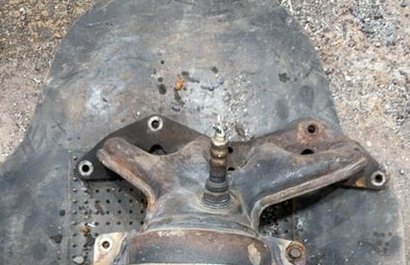
Most people have no idea what happens to a catalytic converter after it leaves a vehicle. It gets pulled, tossed in a bin, and sold — often for far less than it's worth. If you want to sell catalytic converters online and actually get paid fairly, understanding the full lifecycle of that converter changes everything about how you approach the transaction.
This isn't just technical background. Knowing what your cat is worth — and why — puts you in a stronger position when it's time to negotiate. Let's walk through the whole process, from the moment a converter is bolted to an exhaust system to the day its platinum, palladium, and rhodium end up in a refinery.
What's Actually Inside a Catalytic Converter
The value isn't in the steel shell. It's in the substrate — the honeycomb-like ceramic or metallic core coated with platinum group metals (PGMs): platinum, palladium, and rhodium. These metals trigger chemical reactions that convert harmful exhaust emissions into less toxic gases. That's the job. But it's those same metals that make scrap cats worth serious money.
Platinum, palladium, and rhodium are rare. They're mined in only a handful of countries, primarily South Africa and Russia, and demand for them runs well beyond what mining supply can consistently meet. Recycled catalytic converters are one of the most reliable secondary sources of PGMs globally. When you're looking at the cat converter value on a scrap quote, you're looking at a fraction of what those metals command on commodities markets — minus processing costs and margin.
- Platinum: Used heavily in diesel cats. Prices fluctuate with industrial demand and mining output.
- Palladium: Dominant in gasoline-powered vehicle converters. Highly sensitive to automotive production cycles.
- Rhodium: The most volatile of the three. Prices have swung dramatically over the past decade and remain unpredictable.
The mix and concentration of these metals varies by manufacturer, vehicle type, engine size, and model year. That's why two cats that look identical on the outside can fetch very different prices at a recycler.
The Removal Stage — Where Value Gets Lost Fast
A converter's journey to recovery starts when a vehicle reaches end-of-life — whether that's a collision write-off, a mechanical failure, or just age. In Ontario, vehicles are typically brought to a licensed auto dismantler or scrap yard, where the cat gets removed as part of the teardown process.
This is where the first major problem shows up. Many sellers — individuals and even some shops — don't know what they have. They sell to the first buyer who shows up, accept a flat rate with no explanation of how it was calculated, and walk away having left real money on the table. Windsor alone has a significant concentration of auto shops and dismantlers, and the variation in prices being offered across the city on any given week is wide.
The old way of doing this — one buyer, one phone call, one price — gives you no leverage. You have no idea if that number reflects the actual PGM content. You have no competing offers. And the buyer knows it.
Grading, Identification, and Why Photos Matter
Once a converter is removed, it needs to be identified before it can be accurately priced. Buyers and processors use several methods:
- Serial number lookup: Most OEM converters carry a stamped serial or part number. Cross-referencing this number against a database gives a grade and estimated PGM loading.
- Visual identification: Shape, size, bead type, and manufacturer markings help narrow down the cat when serial numbers are missing or worn.
- Weight and physical inspection: Aftermarket or "biscuit" converters often carry significantly less PGM content than OEM units. Weight alone won't tell you everything, but it's a useful data point.
- Photo documentation: High-quality photos of both ends of the converter, the serial stamp, and any visible damage help remote buyers assess condition and reduce disputes at settlement.
When you sell catalytic converters online, photo documentation isn't optional — it's what makes your listing credible to serious buyers. Platforms like SMASH Recycling — where verified buyers bid on your metal use documented inventory to attract competitive bids. The more clearly you represent your material, the more confidence buyers bring to the table — and that confidence translates directly into better price discovery.
Poor documentation, on the other hand, gets discounted. Buyers price in uncertainty. If they can't confirm what they're buying, they'll protect themselves with a lower number.
How Precious Metal Recovery Actually Works — Platinum, Palladium, and Rhodium
After a buyer purchases a load of cats, they're consolidated and shipped to a primary processor or smelter. In North America, a handful of large processors handle the bulk of this volume. Internationally, South Africa plays a significant role — the country's long history with PGM refining makes it a major destination for scrap converter material. (It's worth noting that when buyers reference a catalytic converter price list from markets like South Africa or Australia, they're giving you a window into global PGM demand — not a direct comparison to Canadian scrap rates, which reflect local freight, processing costs, and currency.)
At the processor, converters go through a decanning process — the steel shell is cut away and the ceramic or metallic substrate is extracted and crushed into a fine powder called "converter powder" or "black powder." This material is then sampled and assayed to determine its exact PGM content.
The assay results drive the final settlement price. This is why the term "platinum price today" matters so much to anyone selling cats — the refinery's payment is directly tied to live PGM spot prices at the time of settlement, minus agreed-upon refining and processing fees. You're not selling scrap steel. You're selling a chemical feedstock for one of the most technically demanding refining processes in the metals industry.
After refining, the recovered platinum, palladium, and rhodium re-enter the supply chain — often going back into the production of new catalytic converters. The loop closes. The metals that cleaned exhaust emissions on a 2014 pickup truck in Windsor eventually find their way into a new vehicle rolling off an assembly line.
Selling Smarter — Why the B2B Scrap Metal Marketplace Model Works
For recyclers, auto dismantlers, and shops in Ontario managing any real volume of cats, the difference between selling blind and selling through a competitive process isn't marginal — it's material. A B2B scrap metal marketplace connects vetted buyers to documented inventory and lets price discovery happen through competition rather than a single take-it-or-leave-it quote.
SMASH operates exactly this way. You document your inventory — serial numbers, photos, weights — and put it in front of multiple buyers simultaneously. Buyers compete. You see the results. There's no subscription fee to list. The model only works if the seller wins, which is why the platform is built around transparency rather than obscuring how prices are set.
For sellers in Windsor and across Ontario, this matters because PGM-rich loads often attract buyers from outside your immediate area. A buyer in another part of the province — or across the country — may offer more than your local contact because they have different processing relationships, different freight economics, or different inventory needs at that moment. You'll never know unless those buyers have a chance to see your material and bid.
Whether you're selling a handful of cats from a repair shop cleanout or managing a full month's worth of inventory from a dismantling operation, platforms like SMASH make it practical to get the best catalytic converter price in Canada without cold-calling a dozen buyers yourself.
What This Means for Sellers in Windsor and Across Ontario
Understanding the lifecycle puts you in the driver's seat. You know that the value is in the substrate. You know that identification and documentation directly affect what you're offered. You know that PGM spot prices — platinum, palladium, and rhodium — are the real benchmark, and that any offer you receive should roughly reflect where those markets are trading, minus processing costs.
You also know that selling to one buyer with no competing offers is the most expensive option available to you. Windsor's scrap market is active, and Ontario's volume of end-of-life vehicles keeps steady material flowing — but volume without pricing discipline leaves money in buyers' pockets instead of yours.
Take the time to read Canadian catalytic converter pricing guides and understand what similar material is fetching before you commit to a sale. And when you're ready to move your material, check current Canadian catalytic converter prices so you know exactly where the market sits before you pick up the phone — or list your inventory online.
Getting the best Canadian price for your catalytic converter starts with knowing what you have and putting it in front of buyers who compete for it. Get a free quote at best-catalytic-converter-price.ca and see what competitive price discovery actually looks like for your material.
Disclaimer: Catalytic converter prices fluctuate based on live PGM spot prices, converter type, condition, and market conditions. Always verify current rates before selling.
Frequently Asked Questions
Q: How do I sell catalytic converters online safely in Canada?
Use a platform that documents your inventory with photos and serial numbers, and only works with vetted buyers. Platforms like SMASH connect Canadian sellers with verified B2B buyers through a competitive auction format, which reduces the risk of lowball offers and protects both parties through documented transactions. Never ship material to an unverified buyer with no track record.
Q: What affects the price of a scrap catalytic converter in Windsor?
The biggest factors are the type of converter (OEM vs. aftermarket), the vehicle it came from, the PGM loading in the substrate, and current platinum, palladium, and rhodium spot prices. Local freight costs and the number of competing buyers in your area also play a role. Selling through a Windsor scrap metal services platform that brings in multiple buyers helps you see the real market rather than just one opinion of it.
Q: Is the catalytic converter price list from South Africa or Australia relevant to Canadian sellers?
It gives you a directional sense of global PGM demand, but it's not a direct comparison. Canadian scrap converter prices reflect local processing costs, CAD exchange rates, freight, and domestic buyer demand. Use Canadian-specific pricing tools and get quotes from buyers operating in your market.
Q: How much platinum, palladium, and rhodium is actually in a catalytic converter?
It varies significantly by vehicle type and manufacturer. A standard passenger car converter might contain a few grams of PGMs total, while converters from larger vehicles or certain makes can carry considerably more. The exact loading is what processors assay after decanning — which is why proper identification before sale is so important.
Q: Do I need to remove the catalytic converter myself before selling?
In most cases, yes — buyers purchase the converter itself, not the full exhaust system. However, some full vehicle recycling scenarios handle removal at the yard. If you're selling individual units or a lot from a shop, have them properly removed and documented with photos before listing. This speeds up the quoting process and gives buyers the information they need to offer competitive prices.
Stay current on PGM markets, scrap metal pricing trends, and industry news by following SMASH on LinkedIn — practical updates for recyclers and buyers across North America.