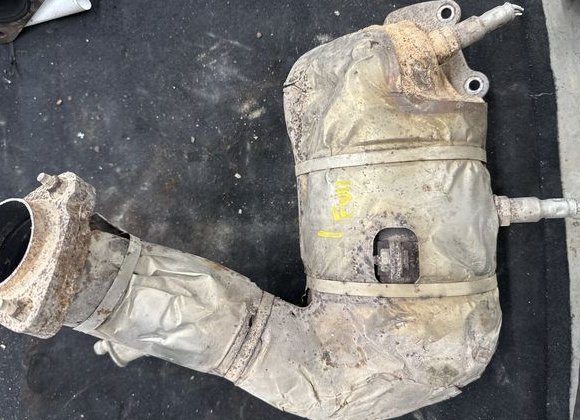
Diesel vs. Gasoline Catalytic Converters: What Richmond Sellers Need to Know
Here's something most people don't realize when they pull a catalytic converter off a diesel truck: it isn't worth the same as the one coming off a gas-powered sedan. Not even close. The rhodium price today gets a lot of attention — and for good reason — but if you're selling diesel cats without understanding how they differ from gasoline converters, you're likely leaving money on the table or pricing them wrong from the start.
This guide breaks down the real differences between diesel and gasoline catalytic converters, what those differences mean for scrap value, and how sellers in Richmond, British Columbia can get the most accurate price for their specific units. Whether you're running an auto shop, stripping fleet vehicles, or just cleaning out a yard full of cores, this matters.
Diesel Catalytic Converters: DPF vs. DOC Explained
Diesel vehicles don't run a single catalytic converter the way most gas vehicles do. They typically run a combination of components — a Diesel Oxidation Catalyst (DOC) and a Diesel Particulate Filter (DPF). Some systems also include a Selective Catalytic Reduction (SCR) unit. Each one does a different job, and each has a different scrap value.
The DOC works similarly to a gasoline catalytic converter. It contains platinum and palladium on a honeycomb substrate, reducing carbon monoxide and unburned hydrocarbons. The DPF, on the other hand, captures soot particles from diesel exhaust. DPFs use a silicon carbide or cordierite filter structure and may contain small amounts of platinum-group metals (PGMs) — but far less than a comparable gasoline cat. The SCR handles nitrogen oxide (NOx) reduction using a urea solution and typically contains very little PGM loading.
- DOC: Contains platinum and palladium — highest PGM content in diesel exhaust systems
- DPF: Contains trace PGMs; value is more variable and often lower than a gas cat
- SCR: Minimal to no PGM content — lowest scrap value in the system
If a buyer is quoting you a blanket price on "diesel cats," push back. You need to know whether they're pricing a DOC, a DPF, or both — and whether they're assaying the unit properly before paying out.
How Gasoline Catalytic Converters Compare (and Why Rhodium Price Today Matters More Here)
Gasoline catalytic converters are the classic three-way catalyst. They handle three reactions simultaneously: oxidizing carbon monoxide, oxidizing hydrocarbons, and reducing nitrogen oxides. To do all three, they need all three major PGMs — platinum, palladium, and rhodium.
Rhodium is where the gasoline cat earns its value. Rhodium handles the NOx reduction side of the equation. It's rare, it's expensive, and it's almost exclusively sourced from catalytic converters in the recycling stream. When people talk about rhodium price today swinging the scrap market, they're mainly talking about its impact on gasoline cat pricing. A high-rhodium unit from a late-model OEM gasoline vehicle — think Honda, Toyota, or a domestic V6 — can be worth dramatically more than a diesel DOC of similar size.
Diesel systems run at higher temperatures with different combustion chemistry. Diesel exhaust contains more particulates but fewer unburned hydrocarbons than gas exhaust. As a result, diesel exhaust systems don't need rhodium in the same way gas cats do. This is the single biggest reason why gasoline cats tend to outvalue DPFs and many DOCs on the scrap market.
That said, OEM catalytic converter value varies enormously by make, model, and year — regardless of fuel type. A diesel DOC from a heavy commercial truck can still carry serious value based on its size and PGM loading. Don't write off diesel units. Just price them accurately.
What This Means for Scrap Value in Richmond
Richmond, British Columbia sits at a busy intersection of commercial freight traffic, port logistics, and a dense population of both passenger vehicles and diesel-powered fleet units. That means the local scrap stream includes a wide mix of diesel DOCs, DPFs, and gasoline cats — and buyers in the area have varying levels of expertise in pricing each correctly.
The risk for sellers is simple: if a buyer isn't differentiating between a DOC and a DPF, or isn't running assay data on your units, you're getting a guess — not a price. Getting the best catalytic converter price in Canada means knowing what you have before you sell it. That starts with correctly identifying whether your units are diesel or gas, and within diesel, whether you're dealing with a DOC, DPF, or SCR.
If you're based in Richmond and working through a dealer or broker who quotes you a flat price per unit without asking for photos, serial numbers, or VIN data — that's a sign the price they're offering isn't built on real data. Platforms that use Richmond scrap metal services with proper documentation and competitive buyer pools give you a stronger foundation for accurate pricing.
OEM Catalytic Converter Value: The Brand and Year Factor
Whether you're selling diesel or gas cats, OEM units consistently outperform aftermarket units on the scrap market. OEM catalytic converter value is higher because original equipment manufacturers load PGMs at higher concentrations than aftermarket alternatives. Aftermarket cats are built to pass emissions tests — not to maximize catalyst performance over hundreds of thousands of kilometers. They use less platinum, palladium, and rhodium. That means less value at the recycler.
Here's what to watch for:
- OEM units: Higher PGM loading, more consistent assay results, stronger buyer demand
- Aftermarket units: Lower PGM content, harder to price without assay, often rejected by high-end refiners
- Large-format OEM diesel DOCs: Can carry strong value based on size and substrate quality
- Foil-type DPFs: Lower value — foil substrate holds less PGM than ceramic
When you read Canadian catalytic converter pricing guides, you'll consistently see this theme: documentation and unit identification directly affect what you get paid. A VIN lookup, a clear photo of the serial number, and a proper description of whether the unit is OEM or aftermarket can shift the offer you receive — sometimes significantly.
How to Sell Catalytic Converters Online from British Columbia
The traditional approach — call one buyer, take their price, move on — works if speed is your only goal. But if you have volume, mixed unit types, or high-value OEM gasoline cats, you're almost certainly getting undercut by working with a single buyer who has no reason to compete for your business.
When you sell catalytic converters online, you get access to a wider buyer pool. More buyers mean real price discovery instead of a one-sided guess. SMASH is built exactly for this scenario. Sellers list their inventory — with photos, serial numbers, and unit descriptions — and vetted buyers compete. That competition is what surfaces the actual market value of your units, whether they're diesel DOCs from a Richmond fleet or a mix of gasoline OEM cats from passenger vehicles across British Columbia.
SMASH doesn't charge subscription fees. You pay nothing to list. The model is straightforward: if you don't win, SMASH doesn't win. That alignment matters. Compare scrap metal bids from Canadian buyers and see how competitive pricing through an auction format stacks up against the offer sitting in your inbox right now.
Platforms like SMASH also handle the documentation side — auto-invoicing, photo documentation, serial tracking — which matters if you're processing volume and need clean records for your business. When you're dealing with diesel and gasoline cats in the same shipment, having clear inventory records protects you and gives buyers the confidence to bid higher.
Getting an Accurate Price: What to Check Before You Sell
Before you reach out to any buyer, do this short checklist:
- Identify the unit type: Is it a DPF, DOC, SCR, or standard three-way gasoline cat?
- Check OEM vs. aftermarket: Look for manufacturer markings or use VIN lookup tools if pulling from a specific vehicle
- Document serial numbers: Buyers who request serials are typically paying more accurately than those who don't
- Photograph both ends: Visible substrate condition matters for assay confidence
- Check the rhodium price today: PGM spot prices move. What your units were worth three months ago may be different today
- Get multiple offers: Never accept the first price on high-value units without benchmarking
Richmond sellers working through proper channels — whether that's a vetted local buyer or an online platform like SMASH — consistently get better outcomes than those who accept the first call they get. Check current Canadian catalytic converter prices before you commit to anything.
Disclaimer: Catalytic converter prices fluctuate based on PGM spot prices, unit type, and market conditions. Always check current rates before selling.
If you're ready to stop guessing and start getting real market value for your cats — diesel, gasoline, or mixed loads — it starts with accurate identification and competitive buyers. Get the best Canadian price for your catalytic converter by requesting a free quote at best-catalytic-converter-price.ca. It costs nothing to find out what your units are actually worth.
Frequently Asked Questions
Q: Why is rhodium price today important when selling catalytic converters?
Rhodium is one of three platinum-group metals found in gasoline catalytic converters, and it's typically the most valuable per ounce. When rhodium spot prices are high, gasoline cats can carry significantly more scrap value. Checking the current rhodium price before you sell helps you benchmark offers and avoid accepting below-market bids.
Q: Are diesel DPFs worth anything as scrap in Canada?
Yes, but generally less than OEM gasoline catalytic converters. DPFs contain trace amounts of platinum-group metals, but far less than a three-way gasoline cat. DOCs (Diesel Oxidation Catalysts) carry more PGM loading and are typically valued higher than DPFs. Identifying which diesel component you have before selling is critical to getting an accurate price.
Q: How do I sell catalytic converters online from Richmond, British Columbia?
Platforms like SMASH allow you to list your inventory with photos and serial numbers so vetted buyers can bid competitively. This is especially useful if you have mixed loads or OEM units that deserve more than a flat-rate quote. Sellers in Richmond can access national buyer pools without leaving the yard.
Q: Does OEM vs. aftermarket status affect my catalytic converter scrap price?
Significantly. OEM converters carry higher PGM loading than aftermarket units, which translates to higher scrap value and stronger buyer demand. If you're selling aftermarket units, be aware that many high-end refiners discount them or decline them outright. Always disclose whether units are OEM or aftermarket when listing.
Q: How often do catalytic converter scrap prices change in Canada?
Prices can shift weekly or even daily based on platinum, palladium, and rhodium spot prices on global commodity markets. Seasonal demand, refinery capacity, and changes in the automotive recycling market also affect pricing in British Columbia and across Canada. Always check current rates before agreeing to a sale.
Follow SMASH on LinkedIn for industry updates, PGM market insights, and scrap metal pricing news across North America.