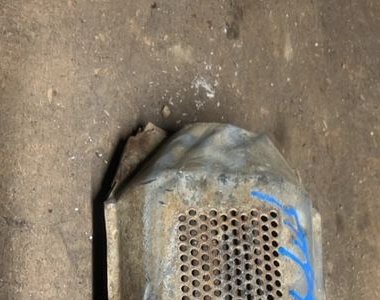
What Makes a Catalytic Converter Valuable? It Starts With Rhodium
If you've ever wondered why two catalytic converters from the same scrap pile can fetch wildly different prices, the answer usually comes down to one word: rhodium. The rhodium price today sits among the most volatile of all precious metals — and it's the single biggest driver of OEM catalytic converter value. Understanding which vehicles carry the most rhodium, platinum, and palladium inside their cats is the difference between leaving money on the table and walking away with a real payout.
For yards, auto shops, and collectors across Alberta — including those sitting on a pile of cores pulled from the oil patch trucks that dominate Fort McMurray — this guide breaks down which makes and models carry the most value, and how to make sure you're not getting lowballed when it's time to sell.
Whether you're dealing with a single converter or a truckload, get the best catalytic converter price in Canada by knowing exactly what you have before you pick up the phone.
Why Rhodium, Platinum, and Palladium Drive OEM Catalytic Converter Value
Every catalytic converter contains a ceramic or metallic substrate coated with a precise mix of platinum group metals (PGMs): platinum, palladium, and rhodium. These metals do the actual chemical work — converting toxic exhaust gases into less harmful emissions. The quantity and ratio of each PGM varies significantly by vehicle manufacturer, engine type, and emissions standard the vehicle was built to meet.
Rhodium is typically the rarest and most valuable of the three. Even a small increase or decrease in the rhodium price today can swing the payout on a high-grade converter by a meaningful amount. Palladium tends to dominate in gasoline engines, while platinum shows up more heavily in diesel converters. Knowing this matters because it tells you which converters to prioritize and which vehicles to target when you're sourcing scrap cats.
- Rhodium: Found in the smallest quantities but carries the highest per-gram value. Catalytic converters from luxury and performance vehicles typically carry more.
- Palladium: Common in gas-powered passenger vehicles. Higher loadings in newer, tighter-emissions vehicles built after stricter North American standards took hold.
- Platinum: More prevalent in diesel vehicles — think heavy equipment, diesel trucks, and European makes.
The total PGM loading — measured in grams per converter — combined with the current spot prices for each metal is what determines your actual payout. A high-grade converter from a late-model luxury SUV can contain multiple grams of combined PGMs. A generic economy car converter might contain a fraction of that. That gap is real money.
The Most Valuable Catalytic Converters by Vehicle Make and Model
Not all cats are created equal. Here's a practical breakdown of which vehicles are known in the scrap industry for carrying high-value converters. This is general guidance — actual PGM content varies by model year, engine size, and whether the unit is OEM or aftermarket.
Luxury and Performance Vehicles
High-end vehicles tend to carry more PGMs because their manufacturers designed for performance and tighter emissions tolerances. If you're sourcing cats from these makes, pay attention — they're worth sorting carefully:
- Ferrari, Lamborghini, and Porsche: High-performance engines with demanding emissions targets mean elevated PGM loadings. These are among the most valuable cats in the scrap stream.
- BMW (M-series and V8/V10 engines): German emission standards historically required robust catalyst loading. Later model years especially carry strong palladium and rhodium content.
- Mercedes-Benz (AMG models and larger displacement engines): Similar story to BMW — high loadings, strong OEM catalytic converter value.
- Lexus (V8 models, LS series): Toyota's luxury arm tends to run OEM converters with solid PGM content, especially in larger V8 configurations.
Trucks and SUVs That Commonly Move Through Alberta Yards
In Fort McMurray and across the Alberta oil patch, pickup trucks and heavy-duty work vehicles cycle through at a high rate. Many of these carry converters worth significantly more than people expect:
- Ford F-250 and F-350 (gas V8/V10): Large displacement engines require more converter surface area and higher PGM loading. These are consistently strong performers at auction.
- Dodge Ram 2500/3500 (Hemi gas engines): The 5.7L and 6.4L Hemi cats are well-known in the scrap industry for their value.
- GMC Sierra / Chevrolet Silverado HD (gas V8): High-volume vehicles in Alberta — converters from these platforms show up in volume and carry respectable value.
- Toyota Tundra and Sequoia (V8): Toyota's OEM converters are known in the industry for being well-loaded. Tundra cats in particular get attention from buyers.
Diesel Vehicles and Equipment
Diesel converters are a different animal. They typically carry more platinum than palladium or rhodium, but that doesn't make them less valuable — especially when platinum spot prices are strong. Heavy equipment that works the Fort McMurray energy sector generates diesel cats that are worth sorting separately:
- Ford F-250/F-350 Power Stroke diesel: Diesel emissions equipment on these trucks, including DPF (diesel particulate filter) units, can carry significant platinum loading.
- Dodge/Ram Cummins diesel trucks: Strong market for Cummins diesel cats and DPF units across Alberta yards.
- Heavy equipment (CAT, Komatsu, Volvo): Construction and mining equipment running through Fort McMurray generates large-format catalytic units. These require assay for accurate valuation but can command serious prices.
Hybrids: A Special Case
Hybrid vehicles like the Toyota Prius are famous in the scrap world. Because the combustion engine starts and stops frequently, and because the converter must work efficiently even when cold, hybrid cats are engineered with higher PGM loadings to compensate. A Prius cat — particularly from a third or fourth-generation model — is worth more than its modest exterior suggests. Don't underestimate these.
How to Sell Catalytic Converters Online and Get a Fair Price in Alberta
Knowing what you have is step one. Getting paid fairly for it is step two — and that's where most sellers get stuck. The traditional model in Alberta and across Canada has been to call one buyer, accept whatever number they quote, and move on. That model works great for the buyer. It rarely works great for you.
The smarter approach is to sell catalytic converters online through a competitive format — where multiple vetted buyers see your inventory and compete for it. That's exactly what platforms like SMASH are built to do. Instead of one phone call and one number, you get actual market competition driving price discovery on your load.
If you're an auto shop or collector in Fort McMurray sitting on a batch of cores, documenting what you have — make, model, photos, serial numbers where available — and putting it in front of multiple buyers changes the dynamic entirely. You're no longer guessing. You're letting the market tell you what your cats are worth right now.
To check current Canadian catalytic converter prices and understand what your specific units might fetch, start by identifying exactly what you have. OEM converters from the makes listed above will consistently outperform aftermarket or unknown units in a competitive sale environment.
Why Fort McMurray Sellers Have a Real Opportunity Right Now
Fort McMurray sits at the centre of one of the most vehicle-intensive economies in Canada. The energy sector runs heavy equipment, fleet trucks, and work vehicles at a pace that generates scrap catalytic converters in real volume. That's an advantage — if you know how to use it.
The challenge has always been access to buyers. Historically, sellers in northern Alberta have been limited by geography. Remote location meant fewer buyers in the room, which meant less competition, which meant lower prices. Online platforms break that dynamic. When you sell catalytic converters online through a vetted network, your location matters a lot less. Buyers across North America can bid on your inventory, and the market — not your geography — sets the price.
SMASH specifically addresses this problem. The platform brings vetted buyers to the seller, not the other way around. No subscription fees. No guessing. Just documented inventory, competitive bidding, and transparent results. For a seller in Fort McMurray, that's a meaningful shift in how the economics work.
You can also read Canadian catalytic converter pricing guides to build your knowledge base before your next sale — understanding price drivers and OEM versus aftermarket differences will help you negotiate from a position of knowledge, not hope.
Protecting Your Price: Documentation, Assay, and Timing
Getting the most for your cats isn't just about which vehicle they came from. It's about how you present them to the market. Here's what consistently separates sellers who get strong returns from those who don't:
- Photograph everything. Buyers pay more when they can see the unit clearly — markings, condition, manufacturer stampings. Mystery units trade at a discount because buyers price in risk.
- Track serial numbers and vehicle make/model where possible. OEM catalytic converter value is largely tied to the vehicle it came from. If you know, document it.
- Don't cut open converters without knowing why. Some buyers prefer intact units. Discuss this before processing.
- Watch the rhodium price today before selling a large batch. PGM markets move. Timing a large sale when rhodium and palladium are strong can materially affect your payout. That said — don't try to perfectly time the market. Get competitive bids and let buyers price current market conditions into their offers.
- Use assay services for large, high-value loads. For significant volumes, assay (lab testing of actual PGM content) removes guesswork and gives you data to negotiate with.
Want to know how to find the best price for your scrap in Canada? It starts with documentation and ends with competition — and SMASH is built around both of those principles.
Disclaimer: Catalytic converter prices fluctuate daily based on rhodium, platinum, and palladium spot prices. The information in this article reflects general market knowledge as of September 2026. Always check current rates before selling.
Frequently Asked Questions
Q: How does the rhodium price today affect what I get for my catalytic converter?
Rhodium is one of three platinum group metals inside your catalytic converter, and it typically commands the highest price per gram. When the rhodium price today rises, converters from high-grade vehicles — luxury cars, large V8 trucks, hybrids — see the biggest bump in payout. Even small movements in rhodium can shift the value of a high-grade load meaningfully. Always check current PGM spot prices before selling a large batch.
Q: Which catalytic converters are worth the most money in Canada?
In general, high-value cats come from luxury vehicles (Ferrari, Lamborghini, BMW M-series, Mercedes AMG), large-displacement trucks (Ford F-250/F-350, Ram 2500/3500 with Hemi engines), and Toyota hybrids like the Prius. OEM catalytic converter value consistently outpaces aftermarket units because OEM cats carry higher and more consistent PGM loadings.
Q: Can I sell catalytic converters online from Fort McMurray?
Yes — and this is exactly what platforms like SMASH are designed for. Online competitive auction formats mean your Fort McMurray location doesn't limit your buyer pool the way it once did. Vetted buyers across North America can bid on your documented inventory, which drives better price discovery than a single local call ever will.
Q: What's the difference between an OEM and aftermarket catalytic converter when it comes to scrap value?
OEM (original equipment manufacturer) converters are built to the vehicle manufacturer's specifications and typically contain higher, more consistent PGM loadings. Aftermarket converters use less precious metal to keep costs down, which means they pay out less at scrap. If you're sourcing cats, always try to confirm whether a unit is OEM — it directly affects what you'll be offered.
Q: How do I know if I'm getting a fair price for my catalytic converters in Alberta?
The fastest way to know is to get more than one offer. A single buyer quoting you a number in a vacuum is not price discovery — it's a guess that benefits them. Using a competitive platform like SMASH puts multiple buyers in the room and lets the market set the price. Combine that with current PGM spot data and solid documentation of what you have, and you're negotiating from a position of knowledge.
---If you're ready to stop guessing and start getting what your cats are actually worth, the next step is straightforward — get a free quote at best-catalytic-converter-price.ca and let real market competition work in your favour.
Follow SMASH on LinkedIn for ongoing scrap metal market updates, PGM pricing insights, and practical guides for sellers across Canada.