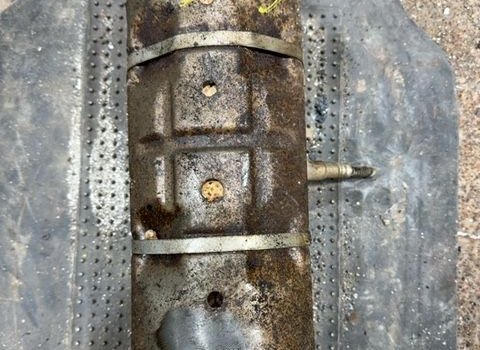
Why Removing a Catalytic Converter the Right Way Puts More Money in Your Pocket
Most people leave serious money on the table when scrapping a catalytic converter — not because they chose the wrong buyer, but because the unit arrived damaged. A cracked substrate, a crushed housing, or a converter that's been torched off the exhaust system can cut your payout significantly. If you're chasing the best catalytic converter price in Dartmouth, how you remove the unit matters just as much as where you sell it.
This guide walks you through the safe, practical steps to remove a catalytic converter for recycling — protecting both the unit's value and yourself in the process. Whether you're an auto shop clearing out cores, a collector working through a pile, or an individual pulling one off a scrap vehicle, the approach is the same: slow down, use the right tools, and document everything.
Understanding What's Inside and Why It's Valuable
Before you touch a wrench, it helps to understand what you're working with. A catalytic converter contains a ceramic or metallic substrate coated in platinum, palladium, and rhodium — three precious metals that drive virtually all of the unit's scrap value. Rhodium, in particular, commands a significant price premium. Rhodium price today remains highly volatile, swinging based on automotive production rates, mining output, and global emissions regulation enforcement. Even small shifts in rhodium spot pricing can meaningfully change what a converter is worth.
The substrate is also fragile. It's a honeycomb structure designed to maximize surface area for catalytic reactions — and that same design makes it easy to crack if the converter is dropped, impacted, or cut carelessly. A cracked substrate means precious metal loss before the unit even reaches a smelter. Buyers discount heavily for damage, and rightly so — the assay results will reflect it. Handle every converter like it contains exactly what it does: a small amount of extremely expensive material.
- Platinum: Core catalyst, present in most converters
- Palladium: Common in gasoline engine cats, often the highest-volume PGM
- Rhodium: Present in smaller quantities but commands a major price premium
- Substrate type: Ceramic vs. metallic affects weight and assay yield — buyers factor this in
If you want to get the best catalytic converter price in Canada, the condition of the substrate when it arrives at the refiner is one of the biggest variables you control.
Tools You Need Before You Start
Removing a catalytic converter safely doesn't require a fully equipped shop, but it does require the right tools. Improvising with the wrong equipment is how converters get damaged — and how people get hurt. Exhaust systems carry heat long after an engine shuts off, and rusted hardware can snap unexpectedly.
Here's what you'll want on hand:
- Reciprocating saw or angle grinder — for cutting the exhaust pipe if flanges are seized or absent
- Penetrating oil (PB Blaster or equivalent) — apply to all bolts and clamps at least 20–30 minutes before you start
- Impact wrench or breaker bar — for flange bolts; hand-tightening a rusted bolt will strip it fast
- Floor jack and jack stands — never work under a vehicle supported only by a jack
- Heat-resistant gloves — exhaust components retain heat; assume it's hot until proven otherwise
- Safety glasses — rust particles and scale fall when you're working underneath a vehicle
- Pipe cutter or cutting wheel — cleaner cuts mean less substrate vibration during removal
One thing that's easy to overlook: let the vehicle cool completely before you start. If the engine ran recently, wait at least two hours. Rushing this step risks burns and makes the metal harder to work with — hot steel expands, and seized bolts get worse, not better, when they're warm.
Step-by-Step: How to Remove a Catalytic Converter Without Damaging the Substrate
The process varies slightly depending on vehicle type and how the converter is mounted, but the core steps apply across most passenger cars, trucks, and SUVs. Yards in Dartmouth and across Nova Scotia see a wide range of makes and models — the following approach covers the majority of them.
- Identify the converter location. Most cats are positioned close to the engine (close-coupled) or further along the exhaust system (underfloor). Some vehicles have two. Check before you start cutting.
- Apply penetrating oil to all connection points. Soak flange bolts, clamps, and any O2 sensor bungs in the vicinity. Let it sit. This step alone prevents most of the damage that happens during removal.
- Raise and secure the vehicle properly. Use rated jack stands. Never rely on a hydraulic jack alone. Position stands on the vehicle's frame, not the exhaust or subframe.
- Remove O2 sensors first if accessible. Oxygen sensors thread into the exhaust pipe near the converter. If you're scrapping the sensors separately, remove them before cutting. If they're seized, leave them — forcing a snap can complicate things.
- Attempt flange bolt removal. If the vehicle has flanged connections (two bolt plates), try to remove these first. A clean flange removal preserves the pipe ends and makes the converter easier to document and sell.
- Cut if necessary — but cut carefully. If flanges are welded or completely seized, use a reciprocating saw or angle grinder. Cut the pipe at least 2–3 inches from the converter body on each side. Never cut through or near the converter housing itself. You risk damaging the substrate and creating metal contamination in the unit.
- Lower the converter carefully. Don't let it drop. Even a fall of a foot or two onto a concrete floor can crack the substrate. Lower it by hand or catch it with a rag or foam pad underneath.
- Photograph it immediately. Serial numbers, OEM markings, and condition photos protect you when selling. Platforms like SMASH rely on documented inventory — photo evidence supports faster, more confident bids from buyers.
If you're processing multiple units — an auto shop clearing cores, for example — apply this process consistently. Buyers adjust pricing based on substrate condition, and a well-documented lot with clear photos and serial numbers gives you real leverage. You can read Canadian catalytic converter pricing guides to understand how buyers assess condition and what they're looking for in a lot.
Documenting Your Converter: What Buyers Actually Need to Know
Removing the converter is step one. What you do with it before it reaches a buyer can affect the final payout just as much as the removal itself. Buyers — especially those on competitive platforms — price based on information. The more you give them, the better the discovery process works in your favor.
Document the following for every unit:
- Vehicle make, model, and year — this connects to known assay data for that converter type
- Serial number or part number — stamped on the converter body; photograph it clearly
- Photos of both pipe ends — buyers assess substrate exposure and condition from these
- Photo of any cracks, dents, or damage — disclose it; buyers will see it anyway and it builds trust
- Weight — weigh each unit and include it with your listing or quote request
This documentation process is exactly what SMASH — Canada's B2B scrap recycling marketplace — is built around. When buyers have real information, they bid with confidence. When they bid with confidence, competition increases. That's how price discovery works. If you've ever wondered how do I find out how much my catalytic converter is worth, the honest answer is: put it in front of multiple informed buyers with full documentation and let the market tell you.
Selling Smart: Getting the Best Price for Scrap Catalytic Converters in Nova Scotia
Once your converter is safely removed and documented, the selling strategy determines whether you walk away satisfied or leave money behind. The single-buyer phone call — quoting you a price with no context and no competition — is still the default for too many sellers in Dartmouth and across Atlantic Canada. It doesn't have to be.
Scrap metal prices today for platinum group metals fluctuate daily based on spot markets, refinery demand, and supply chain dynamics. A buyer quoting you a static "list price" isn't necessarily giving you today's market — they're giving you a margin that works for them. That's not a complaint; it's just how single-buyer transactions work. More buyers create more competition, and more competition creates better price discovery.
SMASH connects sellers with vetted buyers across North America through a competitive auction format. There's no subscription fee. If your converter doesn't sell, you don't pay. The platform handles documentation, serial tracking, and invoicing — and because buyers on the platform see real photos and real data, they can bid aggressively without padding their offers for uncertainty. To check current Canadian catalytic converter prices and understand what your unit might be worth in today's market, start with documentation and a transparent quote process.
Sellers in Dartmouth often deal with a limited local buyer pool. That's a geography problem, not a market problem. Accessing buyers beyond your immediate area — which is exactly what a competitive auction platform enables — levels the playing field without requiring you to become a commodities trader.
Disclaimer: Catalytic converter prices fluctuate based on precious metal spot prices, refiner demand, and converter condition. Always check current rates before committing to a sale.
Frequently Asked Questions
Q: How do I safely remove a catalytic converter without cracking the substrate?
Use penetrating oil on all connection points well before you start. Cut the exhaust pipe at least 2–3 inches from the converter body — never through the housing. Lower the unit carefully by hand when it's free; dropping it on a hard surface can crack the ceramic substrate and reduce your payout.
Q: How do I find out how much my catalytic converter is worth in Canada?
The most accurate way is to document your converter (make, model, serial number, condition photos) and get quotes from multiple buyers. Platforms like SMASH allow you to access a competitive buyer pool, which gives you real market feedback rather than a single buyer's margin-driven estimate. Precious metal spot prices — particularly rhodium — drive value significantly, so timing matters too.
Q: Where can I get the best catalytic converter price in Dartmouth?
Local scrap yards are a starting point, but a single local quote isn't always the best price available. Connecting with a broader buyer network through a platform like SMASH means your converter competes for attention from vetted buyers across North America — which typically results in better price discovery than a one-call transaction.
Q: Does a damaged catalytic converter still have scrap value?
Yes, but the payout will be lower. A cracked or crushed substrate means precious metal loss before refining — buyers account for this in their bids. Disclose damage upfront with clear photos; transparency builds trust and lets buyers price more accurately, which is better for both sides than a surprise at assay.
Q: Is it legal to remove and sell a catalytic converter in Nova Scotia?
Selling a catalytic converter you legally own — removed from your own vehicle or a vehicle you've acquired for scrap — is legal. Documentation matters: many buyers in Canada, including those on regulated platforms, require proof of ownership or vehicle title to complete a purchase. Keep records of where the unit came from, and work with reputable, vetted buyers.
You did the work to remove the converter properly. Don't shortchange yourself on the sale. If you're ready to find out what your unit is actually worth in today's Canadian market, get the best catalytic converter price in Canada with a free quote at best-catalytic-converter-price.ca.
For ongoing market updates, scrap metal pricing insights, and industry news, follow SMASH on LinkedIn — it's where the industry conversation actually happens.
```