Most sellers never think past the cheque. You hand over a cat, pocket some cash, and move on. But if you've ever wondered why one buyer quotes you $40 and another quotes $180 for what looks like the same unit — the answer lives in what happens after the sale. Understanding how catalytic converter assaying and smelting works isn't just interesting. It directly affects your catalytic converter scrap value and whether you're getting a fair cut of what's actually inside.
This week's market recap breaks it down — from the moment your cat leaves your hands to the moment platinum, palladium, and rhodium get sold on the commodities market. If you're selling in St. John's or anywhere across Newfoundland and Labrador, this is the context you need to stop leaving money on the table.
---What's Actually Inside a Catalytic Converter
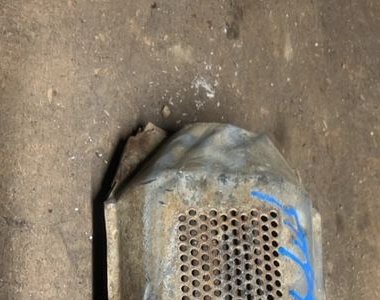
A catalytic converter isn't just a hunk of metal. Inside the steel shell sits a ceramic or metallic substrate — a honeycomb structure coated with a wash of platinum group metals (PGMs): platinum, palladium, and rhodium. These three elements do the actual emissions work, converting toxic exhaust gases into less harmful compounds.
The concentrations vary significantly depending on the vehicle make, model, year, and engine size. A small economy car converter might carry a fraction of a gram of combined PGMs. A large truck or SUV cat — or a diesel unit with a diesel particulate filter — can carry several grams. That spread in PGM loading is exactly why catalytic converter scrap value ranges so dramatically across different units.
- Platinum (Pt): Used more heavily in diesel converters. Prices fluctuate with industrial demand and mining output.
- Palladium (Pd): Dominant in gasoline converters. Palladium price today remains one of the most volatile PGM benchmarks in the market.
- Rhodium (Rh): Present in smaller quantities but historically commands the highest price per troy ounce of the three. Even small amounts move value significantly.
When a buyer quotes your cat, they're estimating — or precisely calculating — how much of each metal is inside. That's where assaying comes in.
---How Catalytic Converter Assaying Works — And Why It Determines Your Payout
Assaying is the process of determining the exact concentration of precious metals in a sample. For catalytic converters, this is a multi-step process that happens at a licensed smelter or processing facility — not at your local scrap yard. The yard is simply the collection and sorting point. The real valuation happens downstream.
Here's how the process typically unfolds:
- Decanning: The outer steel shell is cut or crushed to extract the internal substrate — the ceramic or metallic honeycomb. The steel shell itself is sold separately as scrap.
- Grinding and sampling: The substrate is crushed into a fine powder. A representative sample is taken from the lot — this is critical, because assay results apply to the full lot based on that sample.
- Fire assay or ICP analysis: The sample is processed through fire assay (a smelting-based technique) or Inductively Coupled Plasma (ICP) spectrometry, which uses high-energy plasma to separate and measure individual elements with high precision.
- Settlement calculation: Once platinum, palladium, and rhodium concentrations are confirmed, the processor applies current spot prices to calculate a gross metal value — then deducts refining charges, treatment fees, and the processor's margin before paying out.
This is why lot size matters. A single cat is hard to assay economically. Larger volumes — full loads, sorted by type — give processors better sampling accuracy and give sellers more leverage. Yards that accumulate volume before selling almost always come out ahead of those that move single units reactively.
If you're in St. John's managing a growing pile of cats from your auto shop or collection route, waiting to build a meaningful lot before selling is a legitimate strategy — provided you're tracking market conditions on palladium price today and rhodium while you hold.
---The Smelting Process: Turning Substrate Into Tradeable Metal
After assaying, the actual recovery of platinum, palladium, and rhodium happens through smelting and refining. This is a capital-intensive industrial process. There are only a handful of facilities in North America and Europe capable of processing PGMs at scale — which means your cat travels further than you might expect before it becomes a bar of tradeable metal.
The general smelting process works like this:
- Smelting the substrate: Ground substrate is fed into a high-temperature electric arc furnace or smelting vessel along with collector metals (typically copper or iron) that attract PGMs. At temperatures above 1,400°C, the PGMs bind to the collector metal and separate from the ceramic slag.
- Converting and refining: The PGM-rich alloy is then processed through a series of chemical refining steps — leaching, precipitation, and filtration — to isolate each metal individually. Platinum, palladium, and rhodium each have distinct chemical properties that allow selective separation.
- Casting: The purified metals are cast into sponge, powder, or bar form and sold to industrial buyers — automotive manufacturers, electronics producers, jewelry makers, and commodity traders.
The entire chain from your scrap cat to a tradeable PGM product can take weeks to months depending on lot processing schedules, refinery throughput, and settlement terms. This is why some buyers offer quick cash but at a significant discount — they're absorbing the wait risk. Others offer toll refining arrangements where you receive settlement based on actual assay results, which takes longer but typically returns more value.
---What This Means When You Sell Catalytic Converters in Newfoundland and Labrador
Geography matters in this business. If you're looking to sell catalytic converters in Newfoundland and Labrador, you're operating at the end of a long supply chain. Local buyers in St. John's may offer competitive pricing, but understanding how far your material travels — and how many hands touch it — helps you evaluate whether a quote is fair or not.
The best way to protect yourself is transparency and competition. A single buyer with a monopoly on your cats has no incentive to be generous. Multiple buyers bidding on the same documented lot is how you find out what your material is actually worth.
That's precisely the model that platforms like the SMASH Recycling auction platform are built around. Instead of calling one buyer and taking what they offer, you put your documented inventory in front of vetted buyers who compete for it. More competition means better price discovery — full stop. If you want to get the best catalytic converter price in Canada, you need to know what competition looks like for your specific material.
Documented inventory also gives buyers more confidence. If you've got photos, serial references, and sorted lots — rather than a mixed pile of unknown units — you command better quotes. Buyers price in uncertainty. Remove the uncertainty, and you remove the discount.
---Why Palladium Price Today Matters More Than You Think
The single biggest driver of scrap catalytic converter value right now is palladium — and palladium is one of the most volatile PGM markets in the world. Unlike platinum, which has broader industrial applications, palladium demand is tightly coupled to gasoline vehicle production. When auto manufacturing is up, palladium demand rises. When supply disruptions hit mining regions, prices spike sharply.
For sellers, this volatility creates real opportunity — and real risk. Holding a pile of cats during a palladium run-up can add meaningful value to your lot. Sitting on the same material through a correction costs you. That's why tracking palladium price today as part of your selling decision is worth building into your routine — not just checking it once before you sell.
Rhodium compounds the story. It trades in smaller quantities but can swing by hundreds of dollars per troy ounce in short periods. A converter with meaningful rhodium content can jump significantly in value during a market spike — and buyers who quote based on older data or static price lists may be quoting you a stale number. Always ask how frequently a buyer updates their pricing model.
Want to stay on top of what's moving? Read Canadian catalytic converter pricing guides updated regularly so you're never negotiating blind.
---How to Use This Knowledge to Sell Smarter
Understanding the assaying and smelting chain gives you a concrete advantage when it's time to sell. Here's how to put it to work:
- Sort your inventory. Separating foil cats from ceramic cats, and large truck cats from small economy units, makes your lot more valuable. Buyers can quote with more confidence.
- Document everything. Photos, vehicle information, and quantity counts signal a serious seller. It also protects you — documented lots are harder to dispute after the fact.
- Build volume before selling. A single cat rarely gets you the same rate as a sorted lot of 20 or 50 units. If your shop in St. John's generates cats regularly, accumulating before selling is often the right move.
- Watch PGM prices. Platinum, palladium, and rhodium don't move in lockstep. Learn which metal dominates the value of the units you typically handle.
- Get competing quotes. Don't accept the first number. SMASH puts your material in front of multiple vetted buyers — that's not a pitch, that's just how price discovery works.
When you're ready to sell, check current Canadian catalytic converter prices before you commit to any buyer's number. Market conditions in September 2026 are active — don't sell off a stale reference.
Whether you're running a busy auto shop, managing a scrap collection route across Newfoundland and Labrador, or selling a single unit from a personal project, the process is the same: know your material, document it properly, and let competition do the work. SMASH is built for exactly that.
Disclaimer: Catalytic converter prices fluctuate with live PGM spot prices, lot composition, and market conditions. Always verify current rates before selling. Nothing in this article constitutes a price guarantee.
---Frequently Asked Questions
Q: How is catalytic converter scrap value calculated?
Scrap value is based on the platinum, palladium, and rhodium content inside the converter, multiplied by current spot prices for each metal. Processors deduct refining fees and treatment charges from the gross metal value before paying out. The exact PGM concentration is determined through assaying — either fire assay or ICP spectrometry — after the lot is processed.
Q: How long does it take to get paid after selling catalytic converters?
It depends on the settlement type. Quick-cash buyers pay immediately but at a discounted rate — they absorb the processing risk. Toll refining arrangements, where you're paid based on actual assay results, typically take several weeks to a few months. For most sellers building volume, the higher return from assay-based settlement is worth the wait.
Q: Where can I sell catalytic converters in St. John's, Newfoundland and Labrador?
Local scrap yards in St. John's handle catalytic converters, but pricing transparency varies. For documented lots and competitive pricing, online platforms that connect you with multiple vetted buyers — like SMASH — can help you discover what your material is actually worth rather than accepting a single local quote. Getting competing bids is always worth the extra step.
Q: Does palladium price today affect what I get paid for my cats?
Yes, significantly. Palladium is the dominant PGM in most gasoline vehicle converters, and its spot price directly impacts your payout. Buyers who use live PGM pricing update their quotes frequently — if a buyer is working off a static price list, you may not be getting the full current market value. Always ask how recently a buyer's pricing was updated.
Q: What's the difference between a foil cat and a ceramic cat, and does it affect value?
Ceramic cats have a brittle ceramic honeycomb substrate and are the most common type. Foil cats (also called metallic cats) have a thin corrugated metallic substrate and are generally found in European vehicles and high-performance applications — they typically carry higher PGM concentrations and command better prices. Sorting these separately before selling is always a good practice.
---Ready to stop guessing and start selling with real market data behind you? Get the best Canadian price for your catalytic converter — get a free quote at best-catalytic-converter-price.ca and find out what your material is actually worth.
Follow SMASH on LinkedIn for weekly scrap metal market insights, PGM price updates, and industry news that helps you sell smarter.